Is Krakow Safe for Travelers? A Comprehensive Safety Guide
Last updated July 2026, this guide answers the question every visitor asks before booking a flight: is Krakow safe? Poland's former royal capital pairs a compact, walkable Old Town with some of Europe's lower rates of violent crime, though pickpocketing in tourist crowds, overpriced taxis, and Old Town nightlife scams deserve real attention. This guide breaks the picture down by traveler type, neighborhood, scam pattern, and transport option so you can plan with confidence rather than guesswork.
The Quick Verdict: Is Krakow Safe in 2026?
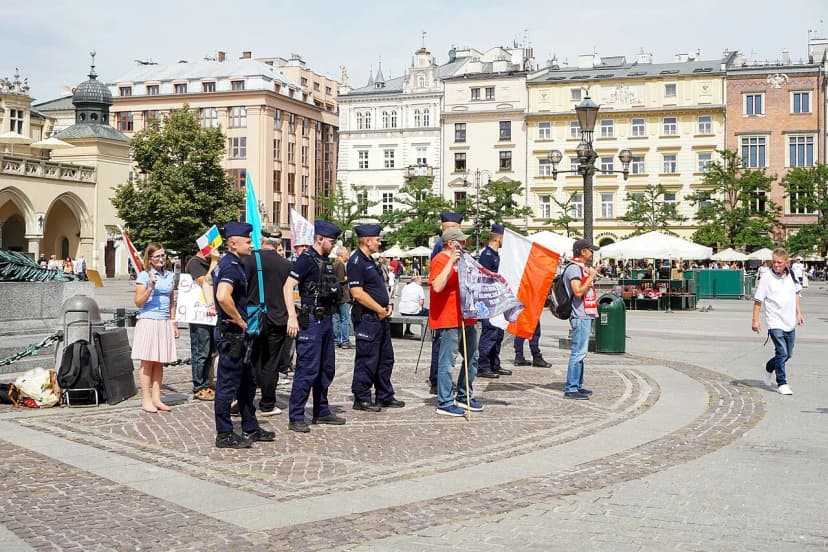
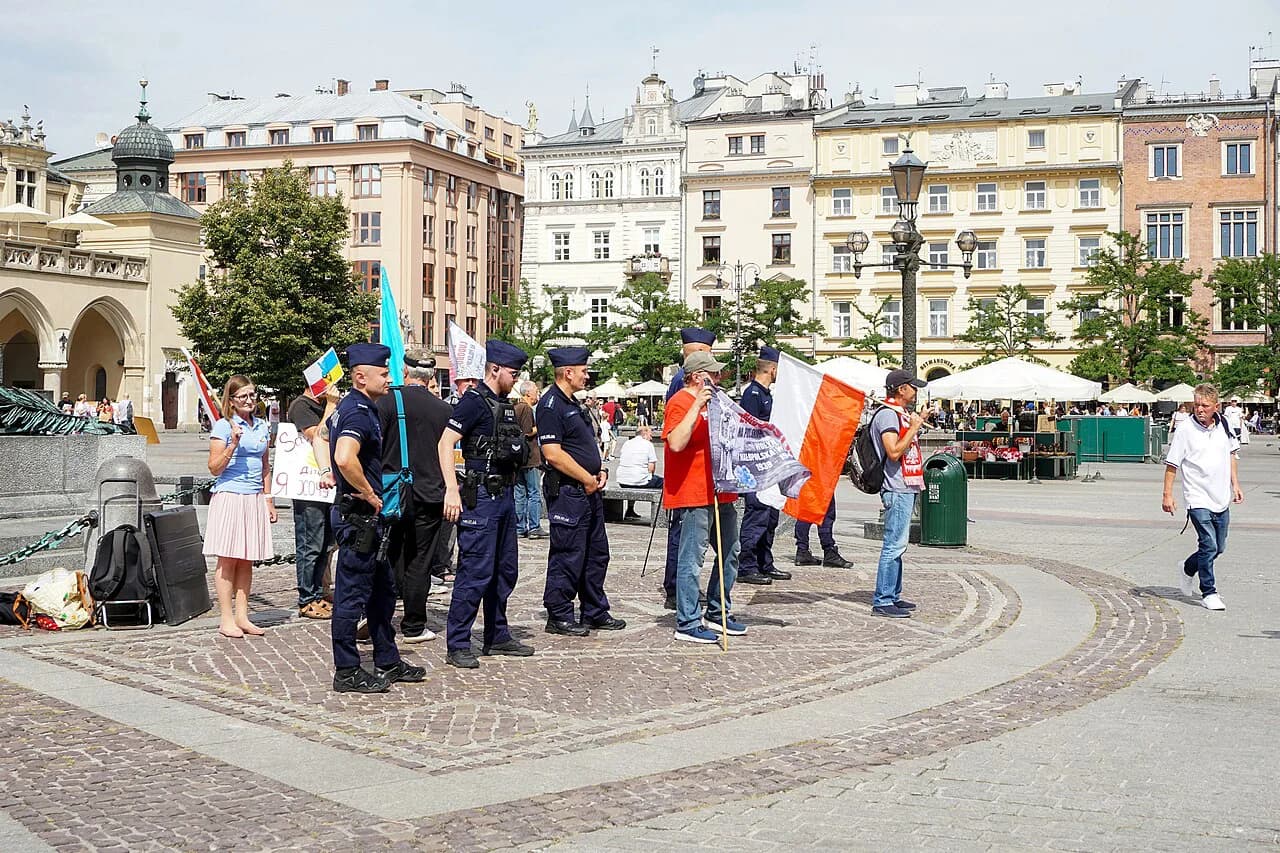
The short answer: yes, Krakow is a safe city, and by most measures one of the more comfortable major destinations in Europe for a first-time or repeat visit. Violent crime directed at tourists is rare, and travelers who exercise the same everyday awareness they would use in any well-visited European capital tend to have straightforward, incident-free trips. The honest risk profile in Krakow leans overwhelmingly toward opportunistic, non-violent problems: pickpocketing in the crush of Rynek Główny and the surrounding Stare Miasto lanes, overpriced or unmarked taxis outside the main train station and nightlife strip, and a handful of scripted Old Town nightlife scams rather than street crime or muggings. Compared with other major European hubs travelers often weigh against it, such as Prague or London, Krakow tends to feel calmer and less crowded outside peak festival weekends, while carrying a similar baseline need for scam awareness in the historic center. As of 2026, the regional geopolitical situation near Poland's eastern border has not disrupted daily life, transport, or tourism inside Krakow itself, and the city continues to operate as a fully functioning, well-visited destination.
- Violent crime: rare and rarely tourist-directed
- Petty theft: the most realistic risk, concentrated around Rynek Główny, crowded trams, and Old Town restaurant terraces
- Nightlife scams: overpriced gentlemen's clubs and inflated bar tabs targeting late-night visitors
- Transport: overpriced or unmarked taxis outside the main train station, easily avoided with app-based ride-hailing
- Geopolitics: the Ukraine border situation has not affected day-to-day safety or services inside Krakow in 2026
Safety by Traveler Type: Solo Female, POC, and LGBTQ+ Travelers
Blanket safety verdicts miss how differently a city can feel depending on who is walking through it, so it helps to break the picture down by traveler type. Solo female travelers generally describe Krakow as comfortable to navigate independently, including walking between Stare Miasto and Kazimierz in the early evening; the city center stays busy with pedestrians, restaurant terraces, and tram traffic well into the night, and the standard precautions that apply anywhere - sticking to lit, populated streets, keeping drinks in sight, and pre-booking a ride home after very late nights - cover most of the realistic risk. Travelers of color, a concern that surfaces often in traveler forums and community discussions about Poland, are unlikely to encounter systemic hostility in a city built on international tourism and a large student population, though isolated staring or awkward interactions are more plausible in outlying, less touristed districts than in the international mix of the Old Town and Kazimierz; the general pattern reported by visitors and locals alike is that urban Krakow reads as noticeably more diverse and accustomed to international visitors than rural Poland, and generalizing a single experience onto the whole country is worth resisting in either direction. LGBTQ+ travelers should weigh Poland's more conservative national legal and political climate against Krakow's reality as a large, international, university city with visible queer social life, particularly around Kazimierz; public affection outside LGBTQ+-friendly venues is better approached with the same discretion many travelers use elsewhere in Central Europe, even though outright hostility toward tourists is uncommon.
- Solo female travelers: city center streets stay busy after dark; treat very late walks home the same way you would in any big European city
- POC travelers: urban Krakow's tourism and student population make it more internationally used to visitors than rural Poland; isolated staring is more likely than hostility
- LGBTQ+ travelers: Kazimierz has visible queer social life, but discretion outside LGBTQ+-friendly venues is a sensible default given Poland's more conservative national climate
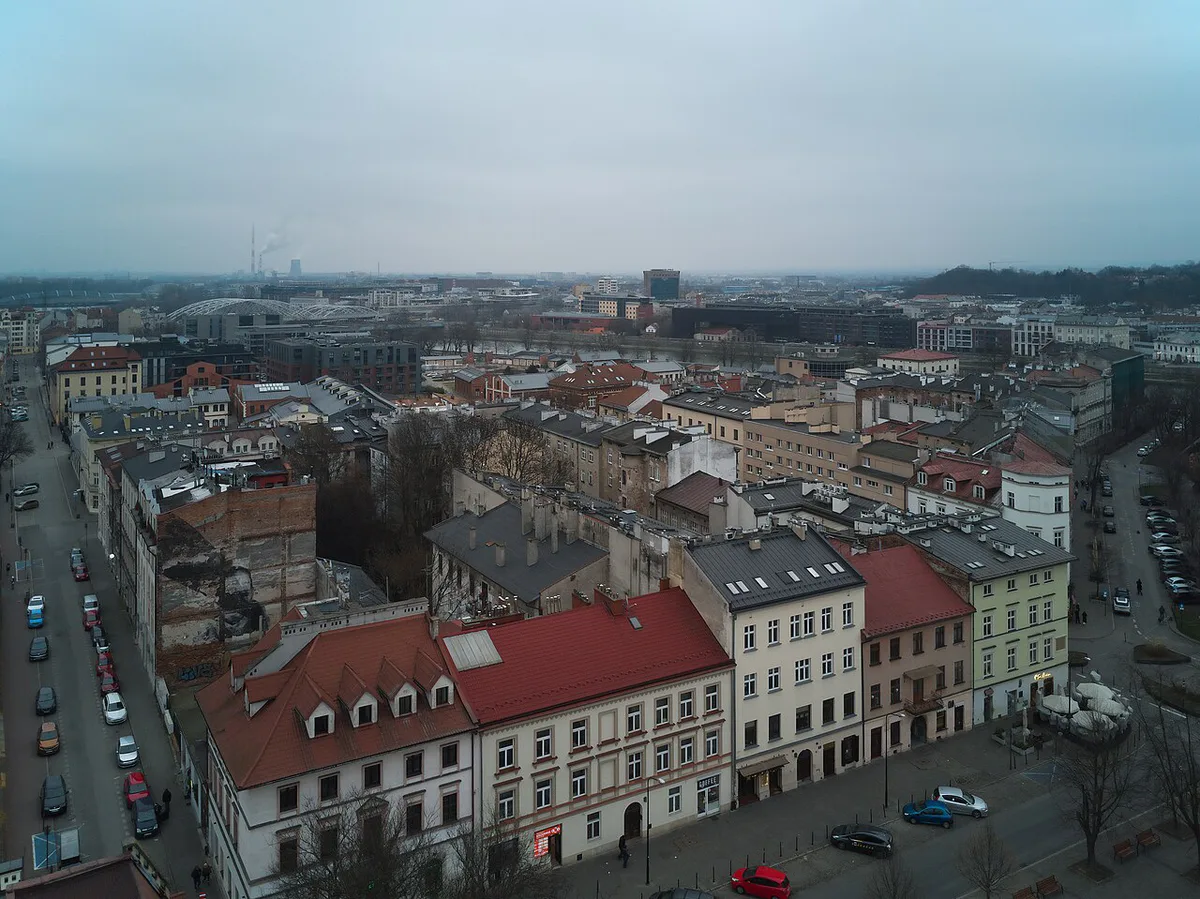
Neighborhood Safety: Where to Stay in Krakow
Where you base yourself shapes how safe a trip feels day to day. Stare Miasto, the walled Old Town ringed by the Planty park, is the highest-safety, highest-density part of the city: well-lit, heavily walked at all hours, and patrolled, though its very popularity is exactly why pickpocketing and tourist-targeted scams cluster here rather than anywhere else. Kazimierz, the historic Jewish quarter just south of the center, has a bohemian, café-and-bar-heavy atmosphere that feels safe for daytime and evening wandering, with the main caveat being late-night rowdiness around its nightlife strip rather than any elevated crime risk. Podgórze, across the Vistula from Kazimierz, and Nowa Huta, the former socialist-era industrial district on the city's eastern edge, both carry reputations shaped by history - Podgórze's wartime ghetto past and Nowa Huta's Soviet-planned origins - that do not match their present-day reality as largely residential, ordinary, and safe areas, simply with fewer tourist services and dimmer street lighting after dark than the center. For a fuller neighborhood-by-neighborhood breakdown, including the handful of pockets better skipped after dark, see this guide to Krakow's areas to avoid.
- Stare Miasto (Old Town): safest by patrol density and foot traffic, but the main hotspot for pickpocketing and Old Town scams
- Kazimierz: safe, walkable bohemian district; expect noise and crowds rather than danger around its late-night bar strip
- Podgórze: largely residential with a heavy historical past; safe for ordinary daytime and evening visits
- Nowa Huta: former socialist industrial district, now residential; safe but light on tourist infrastructure and street lighting after dark
Common Scams and Nightlife Risks in Krakow's Old Town
Krakow's Old Town nightlife economy is where the most avoidable problems live, and being able to recognize the pattern matters more than any single warning. The most persistent issue is the so-called strip club scam: touts and promoters working Rynek Główny and the surrounding lanes at night approach visitors, especially groups of men, with offers of a free entry or a complimentary drink at a nearby gentlemen's club; once inside, house drink prices turn out to be wildly inflated, bills are presented with pressure to pay immediately, and there have been reports tied to spiked drinks. The safest response is to decline any street invitation to a bar or club outright and choose venues independently rather than following a promoter. Currency exchange is the other classic Old Town trap: kantors directly on or immediately around Rynek Główny frequently advertise attention-grabbing no-commission rates that hide a poor buy-sell spread, while kantors a short walk off the main square typically offer a fairer, more transparent rate - always check the posted buy and sell figures before handing over cash, and walk away from any booth that will not show both. Public drinking and rowdy behavior are tolerated up to a point, but Straż Miejska, the city guard, and the police do enforce public order, and visible intoxication can draw a fine rather than a shrug. For a fuller rundown of Old Town traps, including how to spot and avoid them, see this guide to common Krakow tourist scams.
Stare Miasto's crowded streets and police presence discourage violent crime but concentrate pickpocketing and nightlife scams. Decline all street bar invitations, use app-hailing services instead of street taxis, and always check buy and sell rates before currency exchange. These are avoidable, targeted problems.
- Gentlemen's club and strip club touts: decline all street invitations to bars and clubs, no matter how the offer is framed
- Kantor currency exchange: compare the posted buy and sell rate before exchanging, and be wary of no-commission kantors directly on Rynek Główny
- Distraction pickpocketing: keep bags zipped and in front of you in Old Town crowds, on trams, and at outdoor restaurant tables
- Public order: Straż Miejska and police do enforce rules around public drinking and disruptive behavior
Transport and Logistics Safety: Trams, Taxis, and Walking at Night
Getting around Krakow is straightforward and, for the most part, low-risk, provided you make a couple of deliberate choices. Trams and buses operated by MPK Krakow form the backbone of the public transit network and are used constantly by locals and tourists alike; daytime and early-evening travel on core routes feels routine, though crowded trams during peak hours and festival weekends are a known pickpocketing setting, so keep valuables zipped and in front of you rather than in an open bag or back pocket. For taxis, app-based ride-hailing services such as Uber, Bolt, and FreeNow are generally the safer and more transparent choice over hailing a car on the street or from a rank outside the main train station, since the fare, driver identity, and route are all logged in the app rather than negotiated on the spot; unmarked or unofficial taxis working tourist zones are the single most common logistical complaint travelers report about Krakow. Walking after dark is comfortable in the well-lit, busy core - Stare Miasto, the Planty park ring around it, and Kazimierz's main streets all stay populated well into the evening - while quieter residential streets further out warrant the same basic caution as any city after dark. For a closer look at nighttime safety in Krakow by neighborhood, including which streets and hours call for extra care, see this guide to nighttime safety in Krakow.
Book lodging in Stare Miasto or Kazimierz to access walkable routes that stay crowded and lit after dark. Watch belongings on peak-hour trams, rely on Uber or Bolt instead of street taxis. These transport logistics become manageable with forward planning.
- Trams and buses (MPK Krakow): reliable day and night on core routes; watch belongings closely on crowded rides
- Taxis and ride-hailing: prefer Uber, Bolt, or FreeNow over street hails, especially near the main train station
- Walking at night: Stare Miasto, the Planty park ring, and central Kazimierz stay well-lit and busy into the evening
Health and Emergency Essentials
Beyond crime and scams, the practical health and emergency picture in Krakow is reassuring. Tap water across the city meets municipal safety standards and is safe to drink straight from the tap, though many locals still default to bottled or filtered water out of taste preference rather than any safety concern, and travelers can do either without issue. Pharmacies, marked apteka, are widespread through the center, and several operate on a 24-hour or extended-hours rotation for after-hours medication needs, identifiable by the green cross sign above the door. If something does go wrong, Poland uses the standard European emergency number, 112, alongside dedicated national lines: 997 for police and 999 for ambulance services; save all three before arrival, since English-speaking operators are commonly available on the general emergency line.
- 112: general emergency number, works across the EU including Poland
- 997: police
- 999: ambulance
- Tap water: safe to drink from the municipal supply across Krakow
- Apteka (pharmacies): widespread in the center, with several 24-hour or extended-hours locations for after-dark needs
How Krakow's Safety Compares to Prague and London
Travelers weighing Krakow against other major European city breaks often want a side-by-side read rather than a paragraph of caveats. The comparison below is presented in our editorial assessment, informed by the same general crime-trend picture long described by sources such as Numbeo's city-level crime indices, rather than by any single invented figure, and it works as a directional guide rather than a precise ranking. On balance, Krakow's compact, walkable center and lower overall crowding give it an edge for day-to-day comfort, while all three cities share the same core lesson: petty theft in tourist-dense areas is the realistic risk to plan around, not violent crime.
| Safety Factor | Krakow | Prague | London |
|---|---|---|---|
| Petty theft in tourist areas | Moderate - concentrated in Rynek Główny and Old Town | Moderate - concentrated in Old Town Square and public transit | Moderate to high - concentrated on the Underground and major sites |
| Violent crime risk to tourists | Low | Low | Low, though slightly higher in some outer boroughs |
| Walking alone at night in the center | Comfortable for most travelers | Comfortable for most travelers | Comfortable in central, well-lit zones; more caution needed further out |
| Public transport safety | Generally safe, watch for pickpockets when crowded | Generally safe, watch for pickpockets when crowded | Generally safe, watch for pickpockets on the Underground |
Final Decision: Should You Visit Krakow? A Safety Checklist
Put together, Krakow's trade-off is a favorable one: genuinely low rates of violent crime and comfortable, walkable streets set against a small, well-defined set of scams and logistical annoyances that are almost entirely avoidable once you know the pattern. Nothing in the honest risk picture - not Old Town nightlife touts, not overpriced taxis, not the regional geopolitical backdrop - should be a reason to skip a trip to Krakow in 2026; each has a straightforward workaround covered above. Visitors who plan around the same basic habits recommended in any well-visited European city, and who take the neighborhood, nightlife, and transport specifics seriously, tend to come away describing Krakow as one of the easier, calmer major destinations they have chosen for a European break.
- Book central accommodation in Stare Miasto or Kazimierz for easy, well-lit walking access
- Decline all street invitations to bars, clubs, or free drinks in the Old Town at night
- Use app-based ride-hailing (Uber, Bolt, FreeNow) instead of street-hailed or unmarked taxis
- Check the posted buy and sell rate at any kantor before exchanging currency
- Save 112, 997, and 999 in your phone before you land
- Keep bags zipped and in front of you on crowded trams and around Rynek Główny
For trip-planning details, see UK FCDO travel advice for Poland.
Explore is safe in other cities
Frequently Asked Questions
Is Krakow safe for solo female travelers?
Yes. Solo female travelers commonly describe Krakow's center as comfortable to walk independently, since Stare Miasto, Kazimierz, and the Planty park ring stay busy with pedestrians well into the evening. The main precautions are the same ones that apply in any big European city: stick to lit, populated streets late at night and pre-book a ride home after very late outings.
Is Krakow safe at night?
The central, tourist-heavy areas - Stare Miasto, the Planty ring, and Kazimierz's main streets - stay well-lit and busy after dark, and walking through them at night is generally comfortable. The realistic nighttime risks are Old Town nightlife scams and overpriced taxis rather than street crime, so plan accordingly around those specific patterns rather than general fear of walking after dark.
Is Krakow safe for POC travelers?
Most travelers of color report no systemic hostility in Krakow, a city shaped heavily by international tourism and a large student population. Isolated staring is more plausible than any confrontation, and it is more likely in outlying, less touristed districts than in the international mix of the Old Town or Kazimierz; urban Krakow generally reads as more accustomed to a diverse, international visitor base than rural Poland.
Is it safe to drink tap water in Krakow?
Yes. Tap water across Krakow meets municipal safety standards and is safe to drink straight from the tap. Many locals still choose bottled or filtered water for taste rather than any safety concern, so either option works for visitors.
Are taxis safe in Krakow, or is it better to use Uber or Bolt?
App-based ride-hailing services such as Uber, Bolt, and FreeNow are generally the safer, more transparent choice over street-hailed or unmarked taxis, particularly outside the main train station and in the Old Town nightlife zone, since the fare, route, and driver identity are all recorded in the app rather than negotiated on the spot.
What are the emergency numbers to know in Krakow?
Save three numbers before you arrive: 112 for general emergencies, the standard number across the EU; 997 for police; and 999 for ambulance services. English-speaking operators are commonly available on the general emergency line.
Stay Safe in Krakow
Every Krakow safety guide on one page — areas, scams, night rules, and getting around.
Krakow Safety Guides
- Krakow Areas to Avoid: Safety Guide & Neighborhoods to Skip
- Is Krakow Safe at Night? Local Safety Guide & Nightlife Tips
- Krakow Tourist Scams: Common Traps and How to Avoid Them
- Is Krakow Public Transport Safe? A Tourist's Guide to Trams & Buses
- Is Krakow Safe for Solo Female Travellers? A 2026 Safety Guide
- Krakow Crime Rate
- Safest Neighborhoods in Krakow