Safest Neighborhoods in Naples
Last updated July 2026: travelers searching for the safest neighborhoods in Naples are usually reacting to the city's dated reputation rather than its current reality, and the good news is that several districts stand out as genuinely secure, walkable bases for a visit. This guide breaks down where visitors and locals recommend staying, from the seafront elegance of Chiaia to the hilltop calm of Vomero, pairing each pick with the transport trade-offs worth planning around. For the bigger-picture context on crime, precautions, and what safety really means in southern Italy's largest city, the is Naples safe overall guide is a useful companion to this neighborhood breakdown.
Is Naples Safe? The Reality for Travelers
Naples has a reputation problem that outpaces its present-day reality. Weathered facades, laundry strung between balconies, and graffiti-covered walls in the historic core often get mistaken for signs of danger, when in fact they are simply the visual texture of a dense, lived-in southern Italian city. The distinction that matters for visitors is between petty theft and violent crime: like most major tourist destinations, Naples sees opportunistic pickpocketing in crowded transit hubs and market streets, but violent incidents involving travelers are rare. For a fuller breakdown of how the city's Naples crime rate data compares across neighborhoods and stacks up against other major European and US cities, the linked guide walks through the numbers in more depth. The short answer for anyone weighing a visit: yes, Naples is safe for tourists who take the same common-sense precautions they would use in Barcelona, Rome, or New York — watch your bag in crowds, keep valuables out of sight, and pick a neighborhood base that matches how you like to explore.
Naples' most distinctive safety hazard is traffic, not the crime that dominates reputation. Drivers treat crosswalks as suggestions; crossing deliberately and making eye contact with drivers matters more for safety than any neighborhood choice, which mainly addresses petty-theft exposure from crowds.
The Safest Neighborhoods in Naples at a Glance
Before booking, it helps to see how the safest neighborhoods in Naples stack up side by side. Five districts consistently come out on top for security, walkability, and ease of access, though each suits a different kind of trip. The sections below cover each in detail, including the transport trade-offs that come with choosing a hilltop or seafront base over one closer to Piazza Garibaldi and the central train station.
- Chiaia — upscale, seafront, and best for travelers who want polish and nightlife within walking distance.
- Vomero — hilltop, residential, and best for families who want quiet streets and easy funicular access.
- Posillipo — exclusive and secluded, best for travelers prioritizing privacy over walkability.
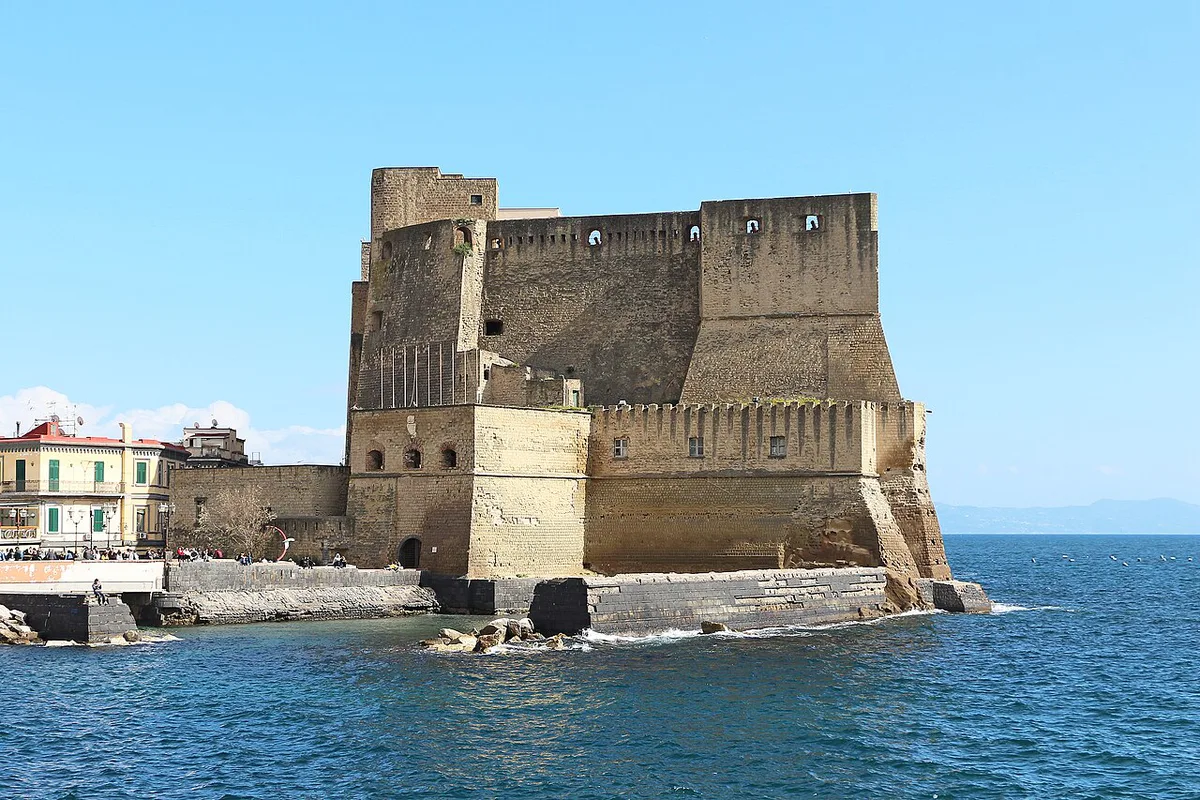
- Santa Lucia and the Lungomare — waterfront hotels near Castel dell'Ovo, best for short stays and evening strolls.
- Centro Storico — the UNESCO-listed historic core, best for travelers who want to be in the middle of the action and don't mind crowds.

Chiaia: Upscale, Seafront, and Secure
Chiaia sits just north of the water and roughly a 30-minute drive from Piazza Garibaldi and the central station outside peak traffic, which is the main trade-off for choosing it: expect polish and quiet in exchange for a longer commute to the archaeological museum and the main historic sights. The neighborhood is built around upscale shopping streets, a landscaped seafront promenade, and a mix of long-term residents and commuters rather than short-stay tourists, which keeps the atmosphere calm well into the evening. Lighting is consistent, foot traffic stays steady after dark, and the area's popularity with families and professionals gives it one of the more reassuring safety profiles in the city. It is also a sensible base for anyone researching solo female travel safety in Naples, since the combination of well-lit streets, visible café culture at night, and proximity to the metro and beach makes it easy to get home without long stretches of empty pavement. Expect a genuinely residential feel rather than a tourist strip — a market square, everyday grocery shops, and walking access to the metro sit alongside the more polished waterfront stretch.
Chiaia's combination of well-lit streets, visible café culture, and steady evening foot traffic creates safety through visibility, while Posillipo achieves the same security through seclusion and low-density design that removes exposure to crowded transit hubs. Both rank among Naples' safest, but they suit different travel styles: Chiaia for those wanting nightlife access, Posillipo for privacy seekers.
Vomero: The Hilltop Haven for Families
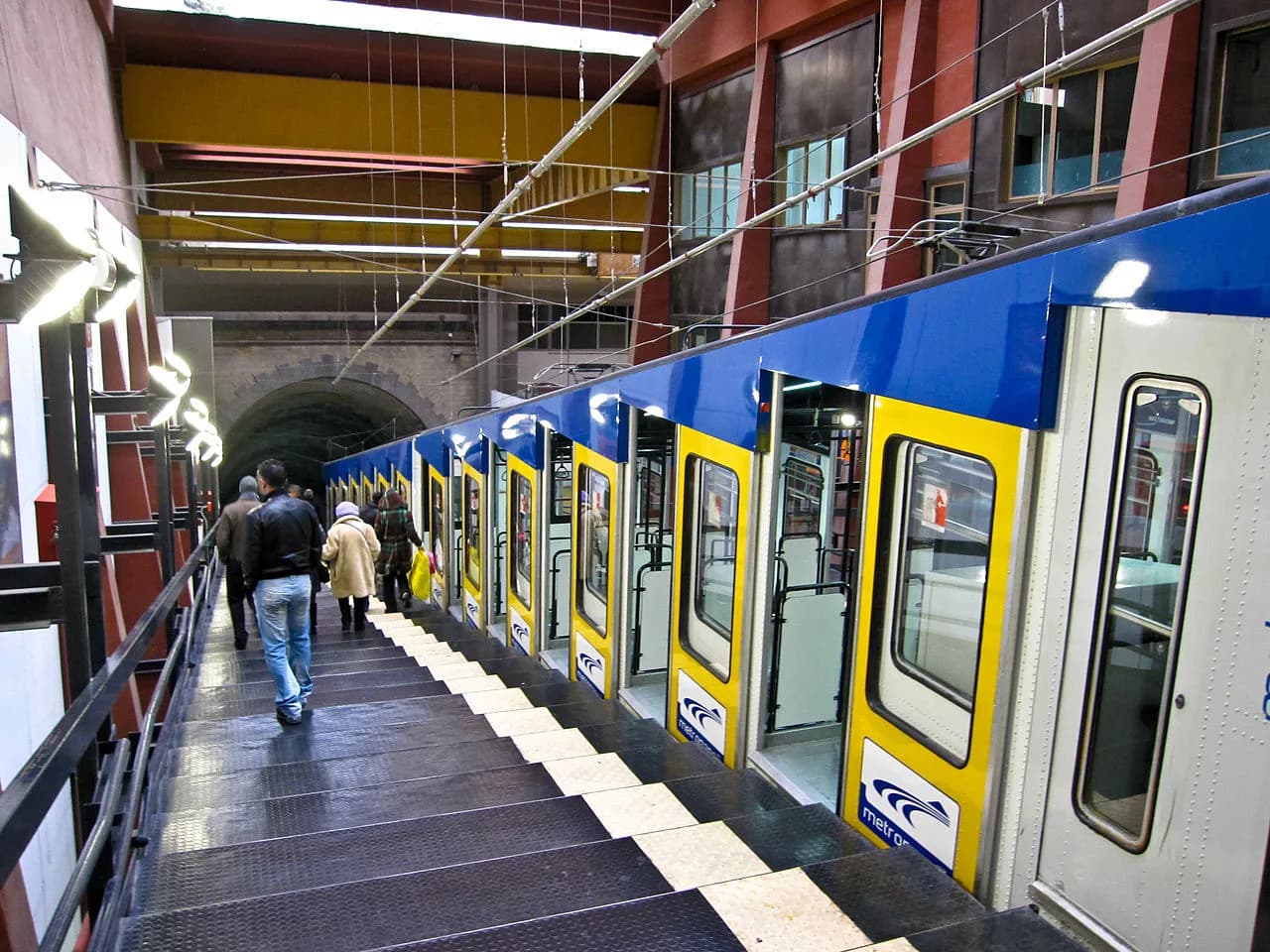
North of Chiaia and considerably higher up, Vomero trades sea-level convenience for elevation, greenery, and a noticeably calmer pace. The district is largely residential, popular with local families, and built around leafy streets, a large park, and views that stretch over the city and the bay from near Castel Sant'Elmo. Because Vomero sits on the hill rather than down at street level with the rest of central Naples, getting there and back means relying on the funicular network rather than walking or the metro alone — a detail worth planning around rather than a safety concern, since the funiculars are a normal part of daily commuting for residents, not a niche tourist novelty. Check current schedules through the public transport safety guide before finalizing an evening itinerary, since funicular service does not run around the clock and missing the last car means a taxi back up the hill. For families weighing where to stay, Vomero's combination of quiet residential streets, playground-adjacent green space, and low nighttime foot traffic from tourists makes it one of the more relaxed choices in the city.
Posillipo: Exclusive and Secluded
West of Chiaia along the coast, Posillipo is Naples' wealthiest residential district, lined with villas, private gardens, and sweeping views over the Gulf of Naples. Its safety profile is excellent for the simple reason that it is quiet, low-density, and largely removed from the tourist crowds and crowded transit hubs where petty theft is most common elsewhere in the city. The trade-off is logistics: Posillipo is not well served by the metro, and most visitors staying there rely on taxis or a rental car rather than public transport, which makes it a poor fit for travelers who want to hop on and off trains and buses throughout the day. It suits travelers who value seclusion and don't mind the extra taxi cost over walkability, but it is a less practical base for anyone planning to spend most days on foot in the historic center.
Santa Lucia and the Lungomare: The Tourist Core
Santa Lucia and the lungomare — the waterfront promenade running past Castel dell'Ovo — form the most tourist-oriented of the safe neighborhoods, dense with hotels, seafood restaurants, and an evening crowd that keeps the seafront lively well after dinner. This visibility works in travelers' favor: the promenade is well-lit, heavily walked, and puts you within easy reach of Castel Nuovo and the main sightseeing routes without needing a car. It's a strong pick for short stays where evening walks matter more than deep neighborhood immersion, and its concentration of hotel staff, restaurant workers, and fellow tourists means it rarely feels deserted, even late in the evening.
Centro Storico: Safe but Chaotic
The Centro Storico — Naples' UNESCO World Heritage-listed historic core — is safe by day and generally fine after dark as long as you stick to busy main spines like Via Toledo rather than wandering into quiet side alleys alone. Its density is its defining feature: this is where crowds, street vendors, and tour groups concentrate, which also makes it the part of the city where common tourist scams and pickpocketing are most likely to target distracted visitors. It's genuinely the most convenient base for a short trip — closest to major museums, churches, and organized tours, many of which meet here — but it rewards staying alert in crowded piazzas and on public transit more than the quieter residential districts do. Booking a room on or just off one of the main pedestrian spines, rather than deep in the narrower alleys, keeps you close to the action without sacrificing the reassurance of steady foot traffic outside your door at night.
Getting Around Safely: Metro, Funiculars, and Walking at Night
Naples' public transport network breaks down into two systems that matter for safety planning: the metro, with Line 1 and Line 2 covering different corridors of the city, and the funicular system, which is the practical way to reach hilltop districts like Vomero. Both are considered safe for standard daytime and evening use, though the usual advice applies on crowded cars — keep bags zipped and in front of you, especially around Piazza Garibaldi and the central station, where crowding is heaviest. The public transport safety guide covers the metro lines and funicular logistics in more detail for route planning. Walking at night is generally fine along the main promenades, well-lit shopping streets, and the busier spines of the historic center, but the same streets that feel lively and safe at 8pm can feel genuinely deserted by 1am — a distinction worth checking against the Naples safety at night guide before planning a late return on foot.
Naples Neighborhoods to Approach with Caution
Piazza Garibaldi and the immediate area around the central train station are convenient for arrivals and departures but noticeably less comfortable after dark, with more visible petty crime and a transient crowd than the neighborhoods covered above — fine to pass through, less ideal to stay in overnight. Scampia and Secondigliano, occasionally mentioned in older reporting on Naples' organized crime history, are peripheral residential districts with essentially no tourist infrastructure; they are not on any typical visitor's itinerary and don't need to factor into a stay-here-or-there decision. The Quartieri Spagnoli deserves a more nuanced note: the neighborhood has gentrified substantially in recent years and now functions closer to a tourist hub, full of murals, small trattorias, and boutique guesthouses, but its narrow, maze-like alleys can still feel disorienting after dark for anyone unfamiliar with the layout. For a fuller rundown of which specific streets and pockets warrant extra caution, the areas to avoid in Naples guide breaks the city down block by block.
Practical Safety Tips and Mistakes to Avoid
Most safety issues travelers encounter in Naples are avoidable with the same precautions that apply in any major city: keep phones and wallets in zipped, front-facing pockets or a crossbody bag in crowded markets and on the metro, and stay alert around Piazza Garibaldi, Via Toledo, and other high-footfall tourist corridors where pickpocketing clusters. The more distinctive local hazard isn't crime at all — it's traffic. Naples drivers move fast and treat crosswalks as suggestions rather than rules, so crossing the street deliberately, making eye contact with drivers, and moving with the flow of pedestrians rather than darting out alone matters more for day-to-day safety than any neighborhood choice. Scams tend to cluster around overly friendly street vendors, unsolicited offers to help with luggage, and inflated taxi routes from the airport or station.
- Keep bags zipped and worn crossbody in Piazza Garibaldi, Via Toledo, and other crowded corridors.
- Cross streets deliberately and watch for fast-moving traffic rather than assuming right of way.
- Agree on taxi fares or confirm the meter is running before departing from the airport or station.
- Keep phones out of back pockets on crowded metro cars, especially during peak commuting hours.
Which Neighborhood Is Right for You?
Choosing among the safest neighborhoods in Naples comes down to matching priorities — budget, transport tolerance, and how much quiet is wanted after dark — against what each district offers. The comparison below lines up the five neighborhoods covered in this guide against who they suit best and how they connect back to Piazza Garibaldi and the central station.
| Neighborhood | Best For | Vibe | Access to Central Station |
|---|---|---|---|
| Chiaia | Luxury travelers, couples | Upscale, seafront, polished | ~30-minute drive outside peak traffic |
| Vomero | Families | Residential, hilltop, leafy | Funicular plus onward transfer |
| Posillipo | Privacy seekers | Exclusive, secluded villas | Taxi or car recommended |
| Santa Lucia & Lungomare | Short stays, evening walkers | Waterfront hotels, tourist-friendly | Short ride via bus or taxi |
| Centro Storico | First-time visitors, walkers | Dense, historic, UNESCO-listed | Closest on foot or by metro |
Safety, Price, and Station Access Trade-Offs
The safest base is not always the most convenient or the cheapest one. Chiaia and Posillipo usually sit at the higher end for hotels and apartments, but they reduce exposure to the crowded streets around Piazza Garibaldi. Vomero is often the best compromise for families: calmer than the historic center, less secluded than Posillipo, and connected to central Naples by the funiculars. Santa Lucia and the Lungomare cost more in peak periods because of the waterfront location, but they make evening walks near Castel dell'Ovo especially straightforward.
- Best balance: Vomero for quiet streets and fair access, Chiaia for upscale safety at a higher cost, Centro Storico for convenience if you choose a room near Via Toledo or another busy main street, and Santa Lucia for short stays where nighttime comfort matters more than quick train-station access.
Frequently Asked Questions
Is Naples safe for tourists in 2026?
Yes. Naples remains safe for tourists who take standard urban precautions — watching bags in crowds, avoiding flashing valuables, and sticking to well-traveled streets after dark. The main risk for most visitors is petty theft rather than violent crime, and choosing one of the neighborhoods covered above further reduces exposure.
What is the safest neighborhood in Naples for families?
Vomero is generally the strongest pick for families, thanks to its residential streets, large park, and quieter pace once the funicular drops you off the main tourist circuit. Chiaia is a close second for families who want to stay closer to sea level.
Is Quartieri Spagnoli safe to stay in?
It's safe by day and has gentrified into something closer to a tourist hub, with guesthouses, murals, and trattorias lining its narrow streets. After dark, the maze-like alleys can still feel disorienting, so sticking to well-trafficked lanes near the edges of the district is the more comfortable choice for a first stay.
How far is Chiaia from Naples' central train station?
Roughly a 30-minute drive outside peak traffic, though the exact time varies with Naples' traffic patterns, which is the main trade-off travelers weigh against Chiaia's calmer, more upscale atmosphere.
Is it safe to walk in Naples at night?
Walking at night is generally fine along main promenades and well-lit shopping streets in neighborhoods like Chiaia, Vomero, and Santa Lucia, but quieter alleys that feel normal in daylight can feel deserted late at night. Checking neighborhood-specific guidance before a late walk home is worth the few minutes it takes.


