Nuremberg Areas to Avoid: Safety Tips & Neighborhood Advice
Last updated March 2026, this guide takes a clear-eyed look at the short list of Nuremberg areas to avoid, rather than repeating vague warnings that don't match how the city actually feels on the ground. Compared with larger German hubs, Nuremberg has a reputation among locals and repeat visitors as a calm, walkable city, with the real caution zone limited mostly to the blocks around the Hauptbahnhof after dark rather than entire districts. For the fuller citywide picture, this guide pairs well with the main Nuremberg safety overview, which covers day-to-day risk levels before this piece zooms into specific streets and neighborhoods.
Is Nuremberg Safe? The Quick Answer
By the numbers travelers typically use to gauge risk, Nuremberg reads as a low-risk destination. Numbeo's figures put the city's crime index at 34.9 out of 100 and its safety index at 65.1 out of 100 as of 2026 — worth rechecking directly on Numbeo before travel, since indices shift with each survey cycle. In practical terms, that places Nuremberg in the same low-risk bracket as most mid-sized Bavarian cities, and both travelers and residents generally describe it as calmer and less tense than larger German hubs such as Frankfurt or Berlin. None of that means every corner of the city feels identical, though. A small number of pockets, covered section by section below, call for a bit more street sense than the Altstadt's cobbled lanes, and knowing where those pockets are matters more than knowing a single citywide score.
What 'Areas to Avoid' Really Means in a German City
It helps to reset expectations before diving into specific streets. In many German cities, including Nuremberg, an 'area to avoid' rarely means a genuine no-go zone tied to violent crime the way that phrase might imply elsewhere. It usually points to something narrower: a stretch with visible drug-related loitering, a rowdier late-night drinking crowd, or a higher concentration of petty theft attempts around a transit hub. Locals on Nuremberg forums are consistently blunt about this — the general sentiment is that the city feels safe in the overwhelming majority of neighborhoods, and the handful of exceptions are about atmosphere and vigilance rather than danger. Keeping that distinction in mind changes how you read the rest of this guide: the goal is not to steer you away from entire districts, but to flag the specific blocks and situations where paying a bit more attention actually pays off.
Numbeo's 2026 safety index of 65.1 backs local sentiment: Nuremberg's 'areas to avoid' signal atmosphere and vigilance rather than violent danger. The actual high-caution zone is narrow—Hauptbahnhof blocks after dark—affecting only a fraction of most travelers' visits.
The Main Nuremberg Areas to Avoid: Hauptbahnhof and Königstorpassage
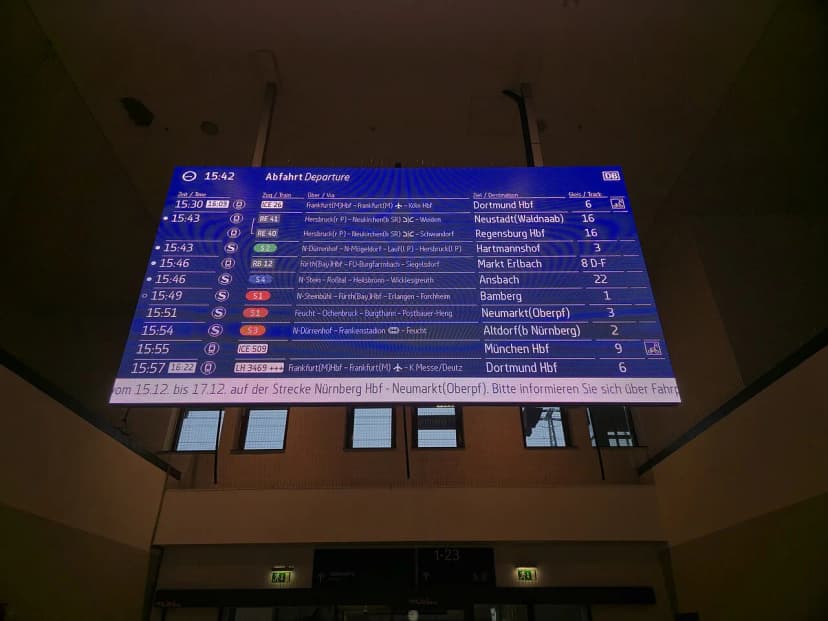
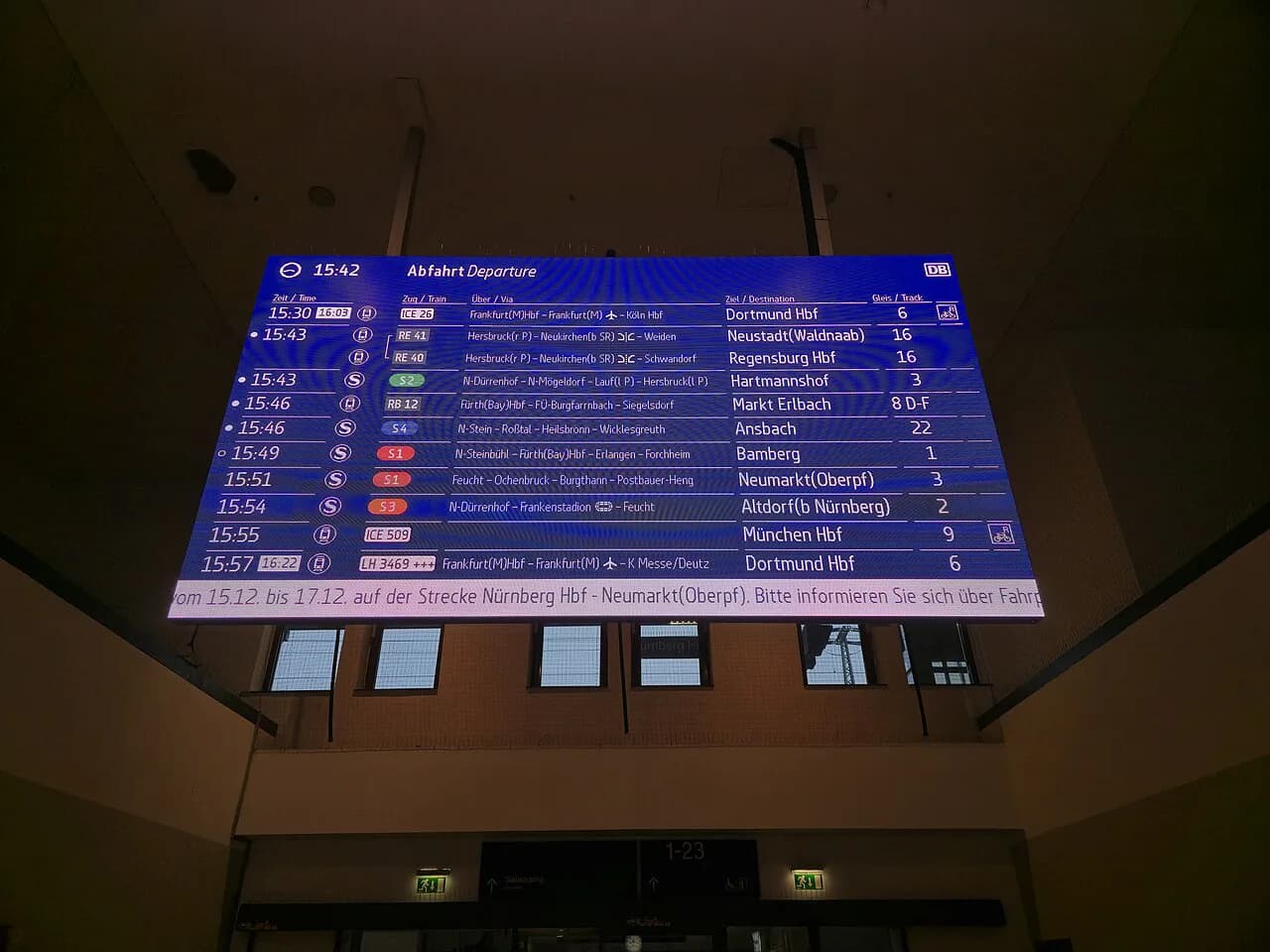
If there is one place locals and travel forums consistently flag, it is the immediate area around Nuremberg Hauptbahnhof, the city's central train station, and the blocks stretching south of it. That stretch functions as a budget-hotel and red-light strip, and it picks up a rowdier, more transient feel after dark, with a higher concentration of pickpocketing attempts and drug-related loitering than the rest of the city center. The Königstorpassage, the underground passage that links the station directly to the Altstadt, is the specific spot worth knowing about: it is a normal, heavily used transit route during the day and early evening, not a place to avoid outright. Late at night, though, it is best treated as a walk-through rather than somewhere to linger, wait around, or engage with anyone asking for money or 'help' with tickets or bags.
- Keep bags zipped and in front of you when moving through the station concourse, especially during peak arrival times.
- Walk through the Königstorpassage with purpose late at night rather than stopping to check a phone or map.
- Politely decline unsolicited offers of help with luggage, tickets, or directions in and around the station.
Neighborhoods Often Misunderstood: Südstadt, Gostenhof, and Langwasser
A handful of Nuremberg neighborhoods get labeled 'rough' online in ways that do not really match how they function day to day. Südstadt, immediately south of the center, has a more industrial, multicultural character than the postcard Altstadt, and its budget-friendly hotels sit alongside a genuinely more urban, occasionally unsettled atmosphere after dark — worth knowing about when choosing where to sleep, but not a reason to skip the area for a daytime walk or meal. Gostenhof, nicknamed GoHo, carries a reputation as Nuremberg's 'edgy' district that is increasingly out of date: the core of the neighborhood has gentrified into a walkable strip of independent cafes, bars, and studios, and it is only the literal fringes that occasionally feel rougher and more multicultural late at night, not the district as a whole. Langwasser, a residential suburb further out, surfaces occasionally in local news coverage, but it sits well outside the areas tourists typically pass through on a standard visit, so it barely factors into most itineraries either way. The table below lines up the common perception against the closer-to-reality picture for each.
Though Gostenhof and Südstadt carry rough reputations online, Gostenhof has gentrified into an artistic hub and solo travelers—particularly women—generally find Nuremberg comfortable. Both neighborhoods present aesthetic grit more than actual risk to visitors.
| Neighborhood | Common perception | Closer to reality | Traveler takeaway |
|---|---|---|---|
| Gostenhof (GoHo) | "Rough" or edgy district | Gentrified, artistic hub; only the fringes get edgy late at night | Fine to visit and stay; use normal city caution after dark |
| Südstadt | Industrial and unsafe | Multicultural, budget-friendly, more urban feel | Good for cheaper stays; slightly quieter streets at night |
| Blocks south of Hauptbahnhof | Just an extension of the station | Red-light and budget-hotel strip, edgier after dark | Fine to pass through; avoid lingering late at night |
| Langwasser | Unclear reputation | Residential suburb rarely visited by tourists | Not really part of a typical visit either way |
Safety Tips for Solo Travelers, Families, and Nightlife
Most of Nuremberg's safety considerations come down to ordinary city sense rather than anything specific to this destination. Solo travelers, and solo women in particular, generally find the city comfortable to navigate — the 2026 Women, Peace and Security Index gives Germany a score of 0.93, pointing to comparatively low structural risk — though sticking to well-lit, busy streets after dark and using licensed taxis or ride-hailing apps late at night remains sound advice. The dedicated solo female travel safety guide covers this in more depth, including nightlife-specific tips. Public transport, run by the VAG network of trams, buses, and U-Bahn lines, is well used and monitored, though pickpocketing risk rises on crowded carriages during rush hour and around major events; the full breakdown of night-time transit safety, including which lines feel busiest after dark, is covered in the public transport safety guide. For nightlife, the Klingenhof clubbing district draws a lively late-night crowd, and traveling there and back in a group or by taxi rather than walking alone — especially once regular U-Bahn service winds down for the night — is worth building into the plan. The Nuremberg nightlife safety guide has the fuller picture on getting home safely after a night out.
Common Scams and Petty Crime to Watch For
The petty crime that does occur in Nuremberg tends to follow familiar European patterns rather than anything unique to the city. The Christkindlesmarkt, one of Germany's oldest and best-known Christmas markets, draws dense crowds around the Hauptmarkt every December, and that density is exactly the kind of setting pickpockets favor — keep valuables in a front pocket or a zipped bag rather than a back pocket or an open tote. Blaue Nacht (Blue Night), Nuremberg's annual arts-and-light festival held each spring, pulls a similarly large, packed crowd through the Altstadt after dark, calling for the same heightened bag awareness. Beyond crowd pickpocketing, the scams most likely to reach a visitor are the low-stakes kind common across major European tourist hubs.
- Petition or 'donation' scams, where someone asks for a signature and then a cash donation — a polite refusal and walking on is the standard response.
- Friendship-bracelet or 'free gift' scams near major landmarks, which typically end with a demand for payment.
- Unsolicited offers to 'help' with train tickets or luggage at the Hauptbahnhof, sometimes used as a distraction technique.
- For a fuller rundown of tactics and how to respond, see the Nuremberg tourist scams guide.
Practical Logistics: Emergency Numbers, Luggage, and Where to Stay
A short list of practical details covers most of what changes a trip from stressful to smooth. For emergencies, Germany's police can be reached at 110, and fire or medical emergencies at 112, both free and staffed around the clock. Travelers arriving with heavy luggage before check-in can use lockers at the Hauptbahnhof or a third-party storage service such as Qeepl, with rates starting from around €4.39 per day and basic insurance coverage included — worth confirming current pricing directly with the provider before relying on it. For where to base a stay with peace of mind as the priority, the Altstadt and St. Johannis are the most consistently recommended: both sit within easy walking distance of the main sights, keep a lively but well-populated evening atmosphere, and put the Hauptbahnhof's edgier stretch and the Klingenhof nightlife strip a comfortable distance away rather than right outside the door. Südstadt hotels tend to run cheaper, which is a fair trade-off for travelers comfortable with a slightly more urban night-time atmosphere, but it is worth weighing against the quieter, pricier north-side options if peace of mind matters more than a lower rate.
Mistakes to Avoid in Nuremberg
A few small missteps account for most of the avoidable trouble travelers run into in Nuremberg, and none of them require treating the city as riskier than it is.
- Leaving bags, phones, or laptops unattended at Hauptbahnhof seating areas or station cafes, even for a minute.
- Treating 'gritty-looking' as the same thing as 'dangerous' in neighborhoods like Südstadt or the Gostenhof fringes, which is more about aesthetics than actual risk.
- Skipping offline maps before heading into Südstadt or other less central areas, where mobile signal and English signage both thin out.
- Lingering in the Königstorpassage late at night instead of walking straight through it.
- Assuming December's Christkindlesmarkt crowds or a Blaue Nacht weekend carry the same low pickpocket risk as a quiet Tuesday afternoon.
How to Read Nuremberg's Safety Map
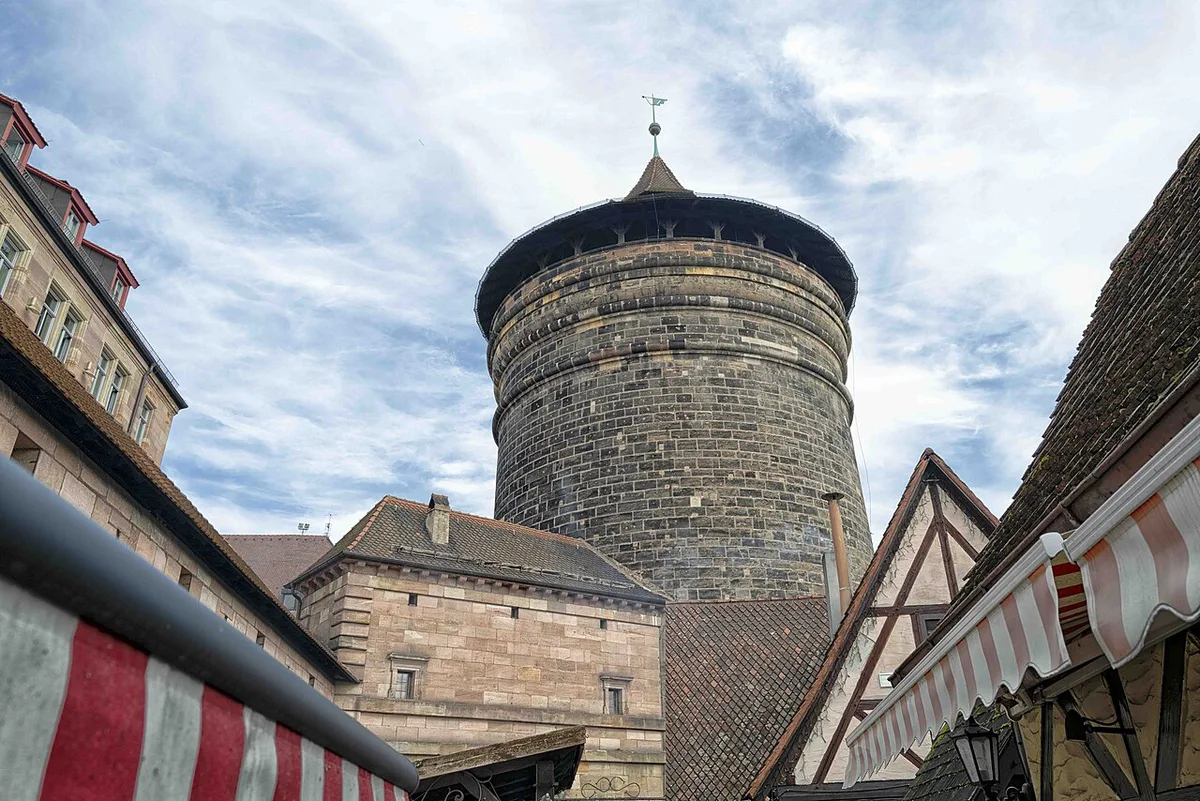
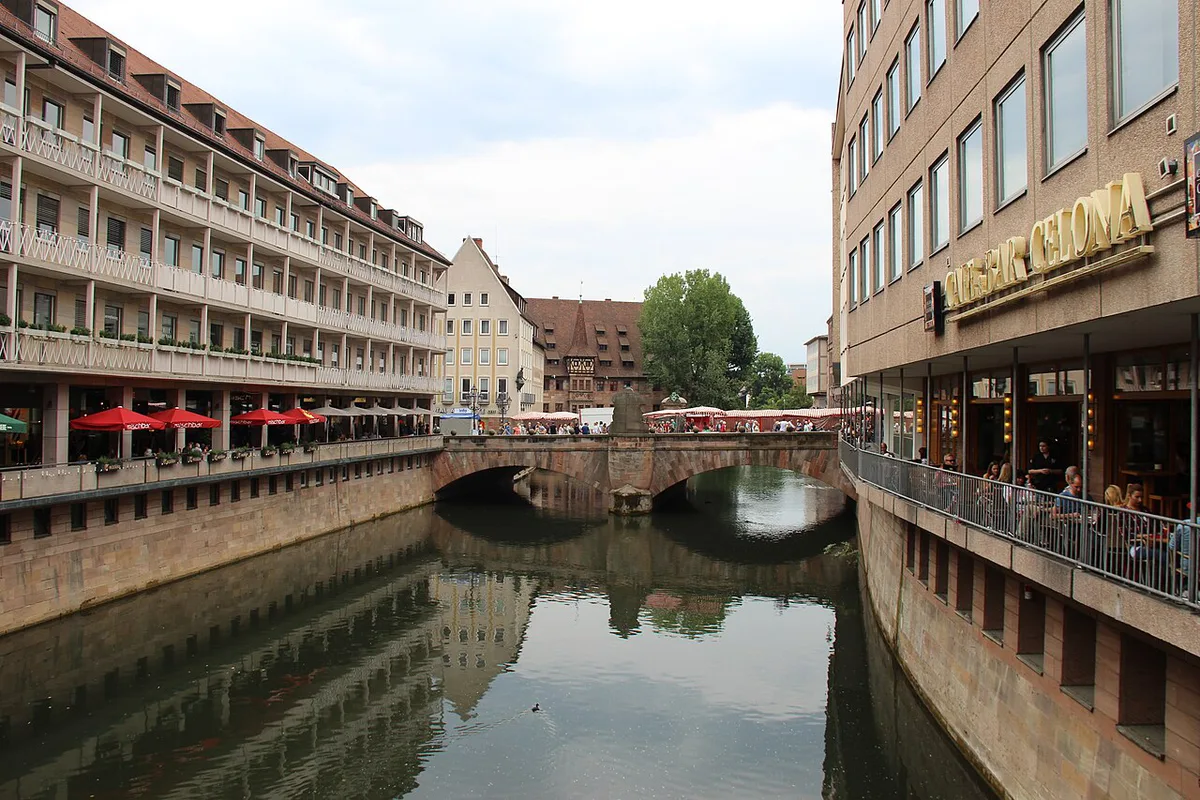
A useful way to understand Nuremberg is to picture the Altstadt as the low-stress visitor core, with the Hauptbahnhof sitting just outside its southeastern wall and the main rail corridor marking a rough change in atmosphere. North of the station, routes through Königstor, Königstraße, Lorenzkirche, the Hauptmarkt, the Pegnitz River, and up toward Nuremberg Castle stay busy, central, and straightforward for most visitors. South of the tracks, the city quickly feels more functional: hotels, traffic arteries, immigrant-run shops, late-night takeaways, and residential streets replace the polished Old Town setting.
That does not make the south side unsafe, but it does explain why warnings often cluster around the station edge and nearby Südstadt rather than around major sights. For a first visit, especially with luggage or a late arrival, the simplest rule is to treat the station as a transit point, cross directly into the Altstadt via Königstorpassage or Königstraße, and save less central south-side walks for daylight or planned restaurant stops.
For trip-planning details, see US State Department Germany travel advisory.
Frequently Asked Questions
Is Nuremberg safe to visit in 2026?
Yes. Numbeo's 2026 figures put Nuremberg's safety index at 65.1 and its crime index at 34.9, and both travelers and locals generally describe the city as calm and low-risk compared with larger German hubs like Frankfurt or Berlin. The main caution points are narrow — mostly the blocks around the Hauptbahnhof after dark — rather than anything citywide.
What is the most dangerous area in Nuremberg?
The area most consistently flagged by locals and travel forums is the immediate surroundings of the Hauptbahnhof, particularly the blocks stretching south of the station and the Königstorpassage underground link late at night. It is fine to pass through, but it is not the spot to linger after dark.
Is Gostenhof dangerous for tourists?
No, not in the way its reputation suggests. Gostenhof (GoHo) has largely gentrified into an artistic, cafe-and-bar-filled district, and only its outer fringes occasionally feel edgier late at night. Normal city awareness after dark is enough for most visitors.
Is the Nuremberg U-Bahn safe at night?
Generally yes — the VAG-run U-Bahn, trams, and buses are well used and monitored, with pickpocketing the main risk rather than anything more serious. Staying alert on crowded carriages and around major stations, and using a taxi once regular service winds down, covers most of what matters.
Where should tourists avoid staying in Nuremberg?
There is no need to avoid an entire district, but travelers prioritizing a quiet night should think twice about hotels right in the budget-hotel and red-light strip immediately south of the Hauptbahnhof. The Altstadt and St. Johannis are the more consistently recommended bases for peace of mind, while Südstadt offers a cheaper but slightly more urban alternative.