
Common Tourist Scams in Düsseldorf: A Safety Guide
Last updated February 2026, Dusseldorf tourist scams remain mostly a story of petty opportunism rather than organized crime, and travelers researching the topic are usually right to be cautious without being alarmed. Violent crime against visitors is rare, but the same crowded, high-traffic spots that draw tourists — the Hauptbahnhof, the shopping strip near Königsallee, and the packed lanes of the Altstadt at night — also draw pickpockets and small-time hustlers who rely on distraction rather than force. For broader context on how these risks fit into the city's overall safety picture, see this guide to Is Dusseldorf Safe? A 2026 Neighborhood-by-Neighborhood Safety Guide before diving into the specific traps below.
Is Düsseldorf Safe for Tourists?
In an editorial assessment, Düsseldorf is a low-risk destination by Western European standards: the concerns tourists actually run into are petty theft, distraction scams, and the occasional overcharge rather than violent confrontation. That said, the same crowding that makes the Altstadt and the central station lively also makes them prime territory for pickpockets and hustlers who count on visitors being distracted by luggage, phones, or unfamiliar surroundings. Understanding which neighborhoods carry more risk after dark, and which routes to plan around, rounds out the picture — the companion guide on areas to avoid maps this out street by street.
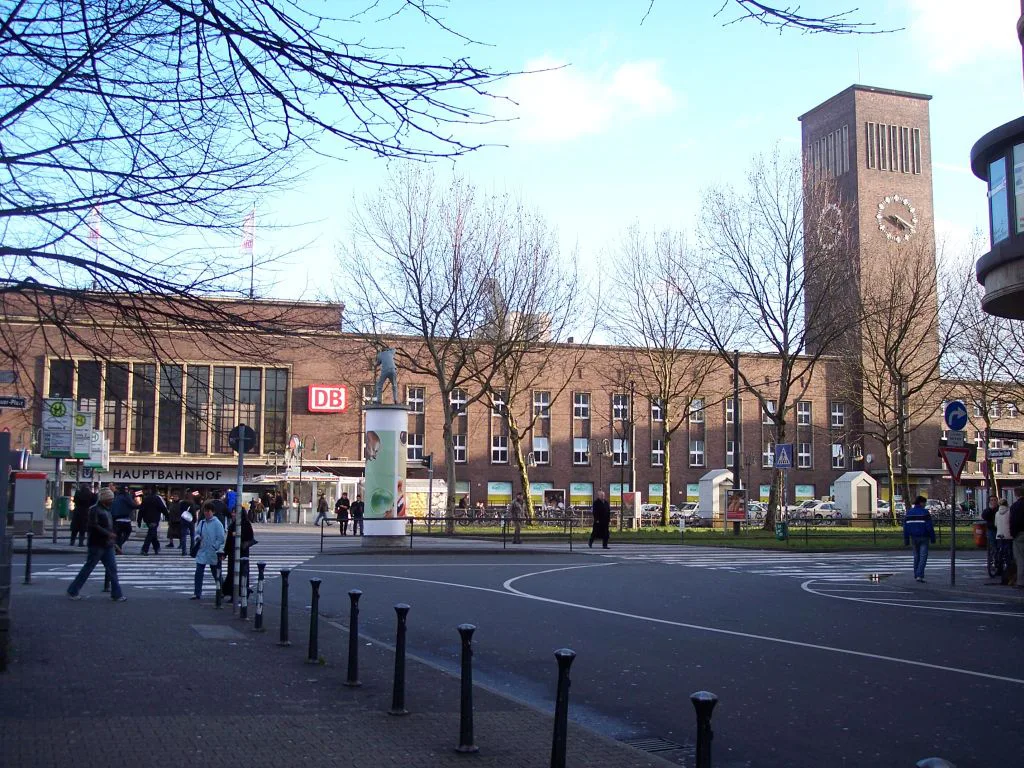
Common Street Scams in Düsseldorf
The most frequently reported street-level tactic is the petition scam: someone approaches with a clipboard asking for a signature for a charity cause, engaging in friendly small talk, or asking you to hold the clipboard while they "find a pen." The real goal is to occupy your hands and attention — sometimes with an accomplice nearby — while a wallet, phone, or bag goes missing from a pocket or an unzipped bag. This happens most often in pedestrian-heavy shopping streets and around transit hubs where crowds provide cover. A second, related pattern involves overly "helpful" strangers who offer unsolicited assistance with luggage, directions, or ticket machines, then use the moment of distraction to lift valuables or push a paid "service" you never agreed to.
- Keep bags zipped and worn to the front in crowded pedestrian zones
- Decline clipboard petitions from strangers and keep walking
- Treat unsolicited offers of help with luggage or directions with polite skepticism
- Avoid displaying cash, phones, or valuables openly in queues or crowds
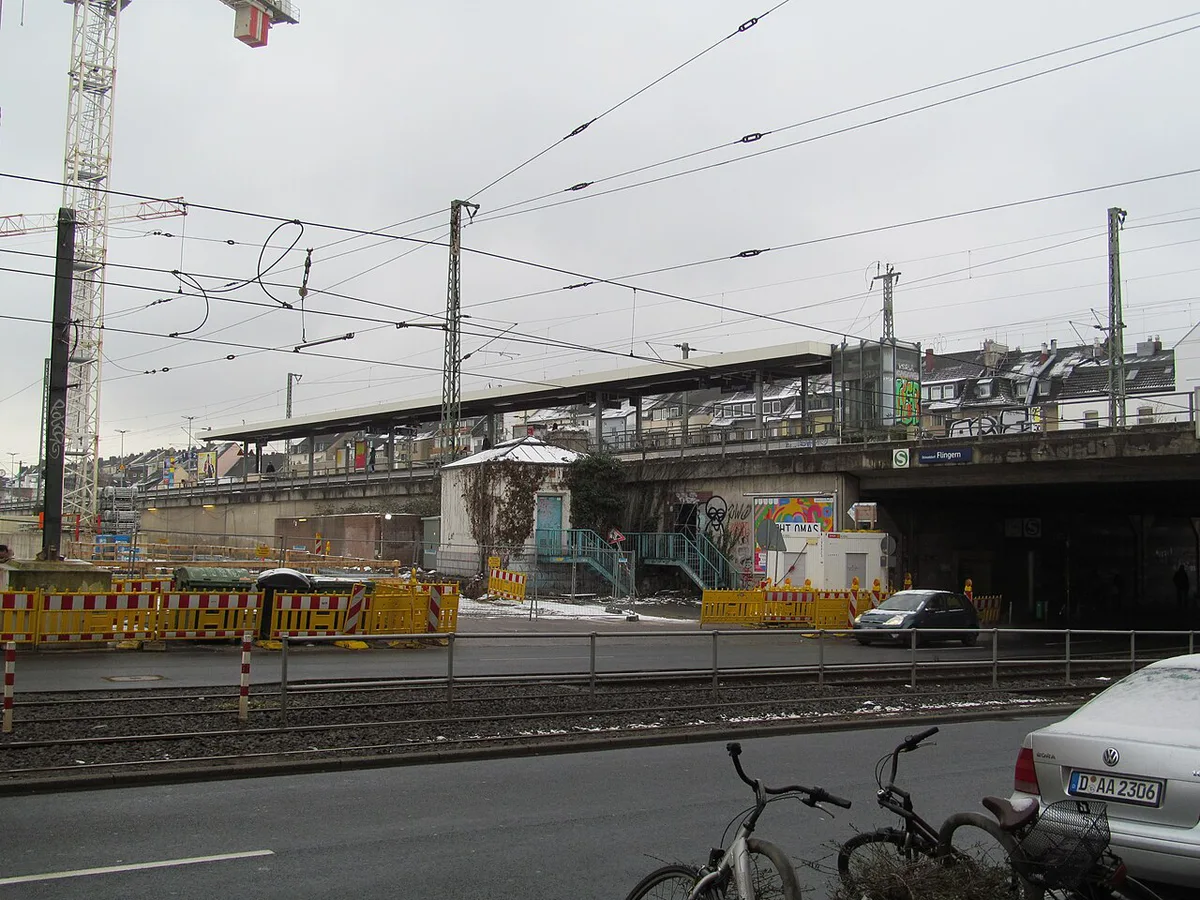
Transport & Station Scams at Düsseldorf Hauptbahnhof
The Hauptbahnhof is the single highest-traffic location in the city for both legitimate travelers and opportunists, and it is where the standard big-station patterns described in local safety notes tend to concentrate: pickpockets working platforms and ticket-machine queues, and self-appointed "helpers" who linger near the machines offering to assist with a purchase, then either pocket change, request a tip for unnecessary help, or claim the machine is broken and redirect you elsewhere. The safest way to sidestep this entirely is to buy and validate tickets through the official Rheinbahn app before approaching the machines, so no cash or card ever needs to change hands in a queue. Standalone ATMs near the station concourse are also a card-skimming risk; using bank-branch machines rather than free-standing kiosks materially reduces exposure. For a fuller rundown of transit-specific risks and how to move around the city with less friction, the guide to public transport safety covers Rheinbahn ticketing and platform etiquette in more depth, and the areas to avoid guide flags which streets immediately around the station warrant extra awareness.
- Buy and validate tickets via the official Rheinbahn app rather than at station machines
- Decline help from strangers loitering near ticket machines, even if it looks official
- Use ATMs inside bank branches instead of standalone kiosks near the station
- Keep luggage and bags within reach at all times on platforms and in ticket queues
Altstadt Nightlife: Scams vs. Local Customs
Nowhere generates more confused first-timer complaints than the Altstadt's Altbier service, and it is worth being clear upfront: this is a local custom, not a scam. Servers in traditional Altstadt breweries and pubs bring round after round of Altbier automatically, marking each served glass with a tally on your coaster, until you place your coaster on top of your glass to signal you are done. Visitors unfamiliar with the system sometimes assume they are being upsold or overcharged when a beer they never verbally ordered appears — but the tally on the coaster is exactly how the final bill is calculated, and it is a longstanding Düsseldorf tradition rather than a deceptive practice. The genuine scams to watch for in the Altstadt at night are different: distraction theft in packed bars, unofficial street vendors selling drinks or food without a permit, and the same pickpocketing risk that applies to any dense nightlife crowd. Because after-dark risk in this district is a distinct topic from daytime scams, the dedicated guide on Dusseldorf safety at night is the better reference for planning an Altstadt evening out.
Confusion about Altbier is understandable—but it's a local tradition with transparent tallying, not a scam. Actual Altstadt nightlife risks are familiar: distraction theft (matching the petition tactics in pedestrian shopping streets) and pickpocketing in dense crowds, especially on rowdy weekends.
| Situation | Local Custom | Actual Scam |
|---|---|---|
| New beer arrives unasked | Standard Altbier refill system tracked by coaster tally | N/A — this is not a scam |
| Coaster marked without explanation | Server's running tally of glasses served | Bill inflated beyond the visible coaster tally |
| Bill doesn't match coaster count | Rare, usually a math error correctable on request | Deliberate overcharge — ask to recount the tally |
| Street vendor selling drinks outside bars | Not applicable | Unofficial vendor with no permit or fixed price |
Shopping & Luxury Scams Near Königsallee
Königsallee's concentration of luxury boutiques and window-shopping crowds creates its own version of the distraction problem: opportunists working the pavement and tram stops nearby can use the same petition or "spilled item" tactics described above, counting on shoppers to be preoccupied with displays or purchases. Street vendors offering suspiciously cheap designer goods or accessories near the boulevard should also be treated as a red flag, since counterfeit sales in tourist-heavy shopping districts are a known pattern in German cities generally. As with the station area, keeping bags closed and zipped, avoiding flashing large amounts of cash after a purchase, and staying alert in queues at high-end stores are the practical countermeasures — the underlying tactics are the same street scams covered earlier in this guide, just relocated to a wealthier shopping context.
- Treat unusually cheap "designer" goods from street sellers as counterfeit
- Keep bags and wallets secured after making purchases along the boulevard
- Avoid counting or displaying cash openly after leaving a store
Safety for Solo Travelers and Women
Solo travelers and women navigating Düsseldorf alone face the same core scam patterns as everyone else, but with an added layer of situational awareness worth planning for — particularly around late-night Altstadt exits, transit connections after dark, and busy queues where a companion would normally watch a second bag. Building a route and a plan for getting home before a night out begins reduces the number of moments where distraction scams have room to operate. The dedicated guide to solo female travel safety addresses these considerations directly, including neighborhood-specific guidance that pairs well with the scam-avoidance habits in this article.
Mistakes That Mark You as a Target
Certain everyday habits make petty theft dramatically easier, and avoiding them closes off most of the opportunistic scams covered in this guide. Leaving a phone face-up on an Altstadt table while stepping away, or displaying a thick wallet or wad of cash at a Hauptbahnhof ticket machine, signals to opportunists exactly where to focus. Engaging at length with an unsolicited petition-holder or self-appointed "helper" — even out of politeness — extends the window in which an accomplice can act. Wearing a backpack loosely on the back rather than the front in station queues or dense pedestrian streets is another small habit that adds unnecessary risk for very little convenience.
Petitions at ticket machines, clutched phones at cafés, unattended bags on benches, and oversized wallets in ticket queues all enable the same mechanism: distraction theft. Whether the distraction is a petition, a 'helpful' stranger, or a moment of inattention while touring, closing off these windows prevents scams across the Hauptbahnhof, shopping streets, Altstadt, and embankment alike.
- Never leave a phone or wallet unattended on a table, even briefly
- Keep large amounts of cash out of sight, especially near ATMs and ticket machines
- Disengage quickly and firmly from unsolicited petitions or offers of help
- Wear backpacks on the front, not the back, in crowded transit and pedestrian areas
What to Do if You Are Scammed
If a theft or scam does happen, reporting it promptly improves the odds of recovering property and helps local authorities track patterns in tourist-heavy areas. Polizei Nordrhein-Westfalen maintains stations (Wachen) in the city center where reports can be filed in person, and official police channels can direct travelers to the nearest one from anywhere in the Altstadt or station area. For anything involving an official ticket, city card, or attraction purchase, cross-checking with Düsseldorf Tourismus or the Rheinbahn's own channels helps confirm whether a purchase was legitimate before assuming the worst — this is especially useful for travelers who bought a city Welcome Card or transit pass from an unofficial reseller rather than an authorized outlet.
- Report theft or fraud to the nearest Polizei NRW station (Wache) as soon as possible
- Keep a photo or record of tickets and passes to help verify legitimacy if questioned
- Buy city cards and transit passes only through Düsseldorf Tourismus or official Rheinbahn channels
- Cancel and freeze cards immediately if skimming at an ATM is suspected
Rhine Embankment and Event-Crowd Pickpocketing
The Rhine Embankment Promenade is one of Düsseldorf’s best public spaces, but its busiest stretches create the same distraction risk as the Altstadt without feeling like a nightlife zone. Around Burgplatz, the Kasematten bars, the promenade steps, and the riverfront route toward the Rheinturm, visitors often stop for photos, food, or sunset views with bags set beside them or phones held loosely at the edge of a crowd.
The main risk here is not an elaborate scam but quick opportunistic theft: a bag lifted from a bench, a phone taken from an outdoor table, or a wallet removed while someone is watching street activity. Be more alert during Christmas markets, Japan Day, Rhine fair periods, and sunny weekend evenings when the promenade narrows into slow-moving foot traffic.
- Keep phones off table edges, loop bag straps around a chair leg or your arm, and avoid letting strangers crowd close during photo stops near Burgplatz or the river steps.
Frequently Asked Questions
Are tourist scams in Düsseldorf dangerous?
Most Dusseldorf tourist scams are non-violent and opportunistic — petition-based distraction theft, ticket-machine hustles, and pickpocketing — rather than physical confrontation. The greater risk is financial loss or a ruined afternoon, not personal safety, though staying alert in crowded areas like the Hauptbahnhof and Altstadt is still worthwhile.
Is the automatic beer refill in the Altstadt a scam?
No. The Altbier system, where servers keep bringing rounds and tally them on your coaster until you cover the glass, is a genuine Düsseldorf tradition rather than an attempt to inflate the bill. The coaster tally is exactly how the final bill is calculated, so checking it against the bill is the simplest way to confirm accuracy.
How can travelers avoid ticket machine scams at Düsseldorf Hauptbahnhof?
Buying and validating tickets through the official Rheinbahn app before approaching station machines avoids the need to handle cash or cards near ticket kiosks, which is where self-appointed helpers most often target queuing travelers.
What should someone do after being scammed in Düsseldorf?
Report the incident to the nearest Polizei NRW station (Wache) in the city center as soon as possible, and if it involved a card or ATM, cancel or freeze the card immediately. For ticket or city-card purchases, Düsseldorf Tourismus and Rheinbahn's official channels can help confirm whether a purchase was legitimate.
Which areas of Düsseldorf carry the most scam risk?
The Hauptbahnhof and its surrounding streets, the packed pedestrian shopping routes near Königsallee, and the crowded Altstadt nightlife strip see the most reported petty theft and distraction scams, largely because of foot traffic density rather than any unusual danger specific to those districts.


