Is Dusseldorf Safe at Night? A Safety Guide for Travelers
Last updated February 2026: if you are wondering whether Dusseldorf is safe at night, the practical answer is that most of the city center, the Rhine promenade, and the well-known nightlife strips remain comfortable for visitors after sunset, provided you know which pockets to route around. Dusseldorf's after-dark character shifts noticeably from its daytime identity as a fashion and business hub into something louder and more crowded, especially around the Altstadt, so the real question is less about the city as a whole and more about specific streets, transit choices, and hours. This guide breaks down neighborhood-by-neighborhood risk, nighttime transport options including the NachtExpress network, and concrete precautions so you can plan an evening out with realistic expectations rather than guesswork.
Is Dusseldorf Safe at Night? The Quick Verdict
Dusseldorf is generally considered a safe destination after dark when compared with other major European hubs, and violent crime against tourists is uncommon. According to Numbeo's 2026 data, Dusseldorf carries a crime index of 32.7 and a safety index of 67.3, figures that point toward a low-to-moderate crime environment rather than a high-risk one; treat these as directional indicators rather than precise predictions for any single night out. What catches first-time visitors off guard is less about danger and more about atmosphere: by day, Dusseldorf reads as a polished business and fashion center, but by night, particularly on weekends, the Altstadt transforms into what locals nickname the longest bar in the world, packed with crowds, street noise, and boisterous but largely good-natured drinking. For a fuller picture of daytime risk factors and general safety context that this guide does not repeat, the overall Dusseldorf safety guide is worth reading alongside this one.
Safety by Neighborhood: Where to Walk After Dark
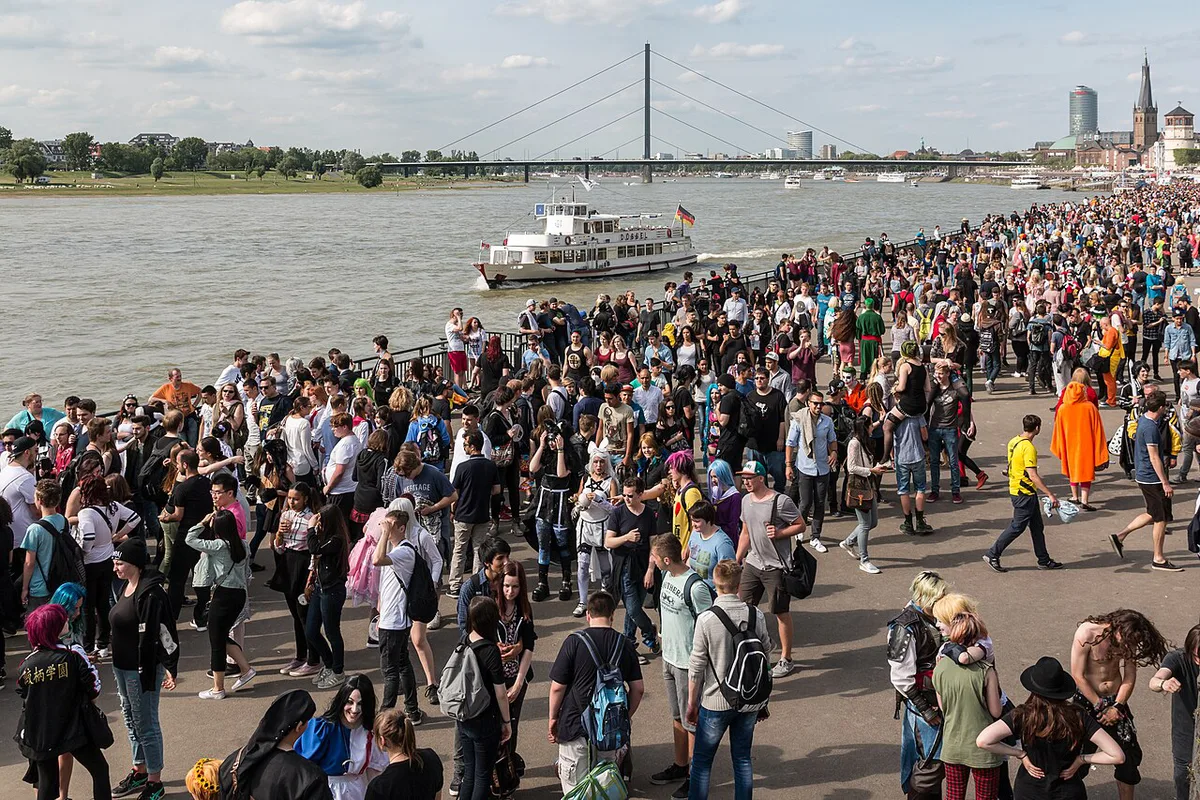
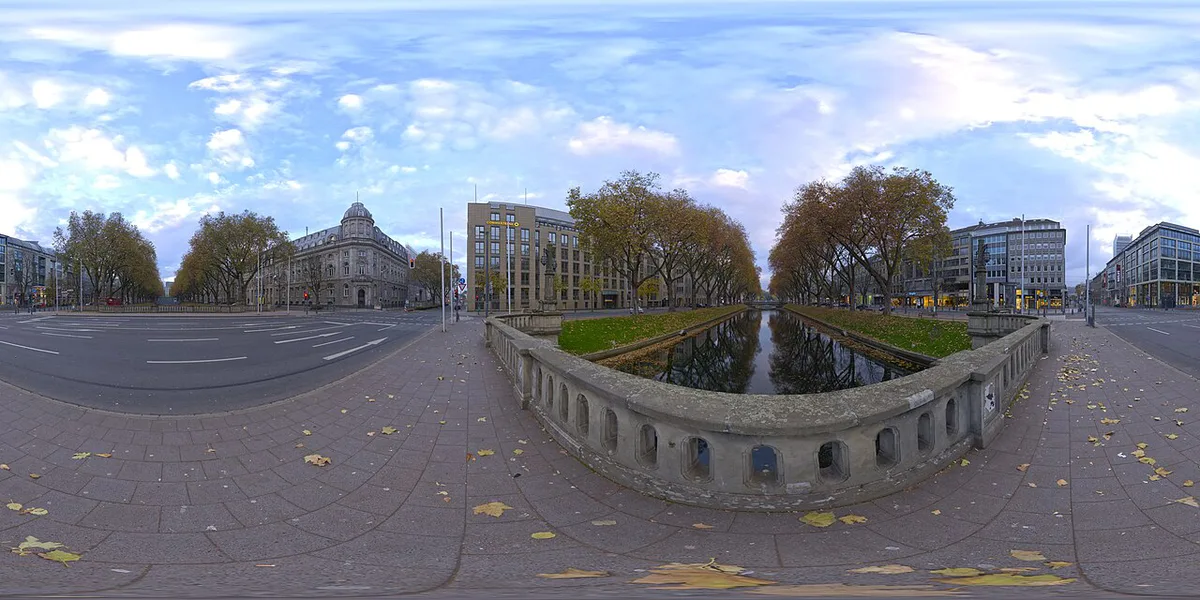
Nighttime safety in Dusseldorf varies significantly by district, and the same city can feel completely different depending on which streets you are standing on after 11 p.m. The Altstadt (Old Town) has a heavy police presence on weekend nights specifically because of its density of bars and intoxicated crowds, so the main risks there are pickpocketing and verbal altercations rather than serious violent crime. Stadtmitte and the Königsallee shopping boulevard are safe and well-lit but can feel deserted late at night once shops close, which some travelers find unsettling even though actual incident risk is low. The Rhine promenade (Rheinuferpromenade) and the MedienHafen bar district are comfortable after dark, with steady foot traffic from restaurant and bar patrons keeping the riverside lively into the evening. Oberbilk, the area immediately behind Dusseldorf Hauptbahnhof, and Garath are the districts most consistently flagged for late-night caution due to lower foot traffic and higher reported incidents near the station's rear exits. For a deeper breakdown of specific streets and blocks to route around after dark, see the dedicated areas to avoid at night guide. The safest zones for an evening stroll or a late walk back to accommodation are Oberkassel, Kaiserswerth, and Pempelfort, all of which combine residential foot traffic with steady policing.
- Safest after dark: Oberkassel, Kaiserswerth, Pempelfort
- Safe but busy/rowdy: Altstadt (Old Town), heavily policed on weekends
- Safe but quiet/deserted late: Stadtmitte and Königsallee
- Reliable at night: Rheinuferpromenade and the MedienHafen bar district
- Exercise caution: Oberbilk, the rear exits of Dusseldorf Hauptbahnhof, and Garath
Nighttime Logistics: Getting Around Dusseldorf Safely
How you move between neighborhoods after dark matters as much as where you are staying. The U-Bahn (underground) and S-Bahn (suburban rail) networks are generally well-monitored and considered safe, with the U-Bahn running later on weekend nights to accommodate the Altstadt crowd, though frequency thins out compared with daytime service. Once regular U-Bahn service tapers off, the NachtExpress (NE) night bus network becomes the backbone of getting home safely, running dedicated routes across the city specifically to cover the hours when trains are not operating; it is the option locals actually rely on rather than walking long distances after the bars close. For a full breakdown of night bus routes, station-specific advice, and transit etiquette after dark, the public transport safety guide covers the NachtExpress system in detail. Registered taxis, bookable through official Taxi Düsseldorf apps, and mainstream ridesharing options are both reasonable choices late at night, particularly for the stretch between Hauptbahnhof and your accommodation. On foot, the city center and riverside are well-lit and populated, but green spaces such as the Hofgarten park lose their daytime charm after dark; poor lighting and low foot traffic make it a poor choice as a nighttime shortcut, so stick to lit streets even if it adds a few minutes to your route.
The Altstadt Nightlife: A Survival Guide
Managing an evening in the Altstadt comes down to expecting crowds and treating the district as you would any dense nightlife zone in a major city. The area's nickname as the longest bar in the world is well earned: narrow lanes fill shoulder-to-shoulder with bar-hoppers on weekend nights, and while a visible police presence keeps serious incidents rare, the crush itself creates opportunities for pickpocketing and opportunistic theft. Drink spiking is uncommon but not unheard of, so keeping an eye on your glass and declining drinks from strangers is sensible practice rather than paranoia. Aggressive panhandling and overly friendly strangers offering unsolicited help are the more common nuisances, and they tie into a broader pattern of low-level scams worth knowing in advance; the common tourist scams guide covers these tactics, including distraction theft in crowded bar lanes, in more depth. Sticking to the main, well-lit lanes of the Altstadt rather than side alleys, keeping your group together, and settling on a meeting point before the night gets loud all reduce the odds of an unpleasant surprise.
The Altstadt's police presence and low crime statistics reflect protection against violent assault, not against pickpocketing and scams. Visitors drawn by Düsseldorf's safe reputation should understand that the real safety challenges in crowded bar lanes involve keeping valuables secure, not avoiding violence.
Safety Tips for Solo Travelers and Women
Solo travelers, and solo women in particular, can navigate Dusseldorf's nightlife safely by applying a few consistent habits rather than avoiding the Altstadt altogether. Sticking to well-lit, busy corridors, teaming up with hostel mates or fellow travelers for the walk home, and keeping a phone charged with a mapped route back to accommodation all reduce risk meaningfully. Registered taxis or established ridesharing apps are worth the modest extra cost over walking alone through quieter stretches such as the area behind Hauptbahnhof or the edges of Oberbilk late at night. Female travelers should also stay alert around accepted-drink etiquette in crowded bars and avoid isolated shortcuts through parks like the Hofgarten after dark. For a dedicated breakdown of precautions, neighborhood-specific advice, and transport tips tailored to women traveling alone, consult the solo female travel safety guide, which expands on the points summarized here.
Safety Checklist: Walking vs Public Transport vs Taxi
Choosing how to get around Dusseldorf at night depends on distance, time of night, and how comfortable you are navigating on foot after the bars empty out. Short hops within a single well-lit district, such as moving between bars along the Rheinuferpromenade or within the Altstadt core, are fine on foot. Longer crossings, especially anything routing near Hauptbahnhof's rear exits or through Oberbilk, are better handled by the NachtExpress network or a registered taxi rather than walking. The comparison below summarizes the trade-offs for a typical night out.
Registered taxis suit door-to-door convenience and specific risky zones, but the NachtExpress is what locals actually use to get home—it's cheaper, covers the overnight gap, and offers the reassurance of taking a route everyone relies on after the bars close.
| Option | Best for | Safety notes |
|---|---|---|
| Walking | Short distances within Altstadt, Stadtmitte, or MedienHafen | Fine on main, well-lit lanes; avoid Hofgarten and back streets near Hauptbahnhof after midnight |
| U-Bahn / S-Bahn | Longer cross-city trips before service thins out | Generally well-monitored; runs later on weekend nights but with reduced frequency |
| NachtExpress (NE) | Getting home once regular U-Bahn service tapers off | The primary locally used option overnight; covers routes standard lines do not run late |
| Registered taxi / rideshare | Door-to-door trips late at night or with a group | Use official Taxi Düsseldorf apps or mainstream rideshare rather than unmarked cars |
- Do: stick to main lit lanes in the Altstadt and Rhine promenade
- Do: use the NachtExpress or a registered taxi once U-Bahn frequency drops
- Don't: cut through the Hofgarten or side streets near Hauptbahnhof's rear exits after midnight
- Don't: accept drinks from strangers or leave glasses unattended in crowded bars
Where to Stay for Nightlife Access Without Late-Night Hassle
Your accommodation choice matters more at night than by day. If you want easy access to the Altstadt, look around Carlstadt, Stadtmitte, or the streets south of Königsallee rather than directly above bar lanes such as Bolkerstraße or Ratinger Straße, where noise can run late. These areas keep you close to restaurants, the Rhine promenade, and tram or U-Bahn stops without putting your bed in the loudest part of the Old Town.
- Best balance: Pempelfort near Nordstraße has restaurants, residential streets, and straightforward transit back from the center.
- Quieter and very safe: Oberkassel works well if you are comfortable using a taxi, rideshare, or night transport after the bars close.
- Most convenient but choose carefully: Hauptbahnhof-area hotels are practical for trains, but late arrivals should favor the city-facing side over exits toward Oberbilk.
For solo travelers, the safest option is usually a well-reviewed hotel on a lit main street within a short walk of a transit stop.
Frequently Asked Questions
Is it safe to walk alone at night in Dusseldorf?
Walking alone at night in central Dusseldorf, including the Altstadt, Rhine promenade, and MedienHafen, is generally fine given steady foot traffic and policing. The main exceptions are the area around the rear exits of Hauptbahnhof, Oberbilk, Garath, and shortcuts through parks like the Hofgarten, which are better avoided after midnight.
What is the safest area to stay in Dusseldorf for nightlife access?
Oberkassel, Kaiserswerth, and Pempelfort are consistently cited as the safest residential districts for a quiet night's sleep, while Stadtmitte offers safe, well-lit streets close to the action, even though it feels quiet late at night. Staying near, but not directly in, the Altstadt balances nightlife access with a calmer walk home.
Does the U-Bahn run all night in Dusseldorf?
The U-Bahn runs later on weekend nights to accommodate the Altstadt crowd but does not operate on a full 24-hour schedule with regular frequency. Once standard service tapers off, the NachtExpress night bus network takes over as the main way to get home safely.
Is the Altstadt safe at night for tourists?
Yes, in general: the Altstadt has a strong police presence on weekend nights specifically because of its bar density, and serious violent crime is rare. The realistic risks are pickpocketing in crowded lanes and low-level scams, so sticking to main streets and keeping valuables secure is the key precaution.
What number do you call for police or medical emergencies in Dusseldorf?
Dial 110 for police and 112 for fire or medical emergencies anywhere in Germany, including Dusseldorf. Both numbers are free to call and staffed around the clock.
Are taxis or rideshares safer than walking back late at night in Dusseldorf?
For longer distances, or any route near Hauptbahnhof's rear exits or Oberbilk, a registered taxi through an official Taxi Düsseldorf app or a mainstream rideshare service is a safer choice than walking. For short hops within well-lit central districts, walking on main streets is generally fine.