
Dusseldorf Public Transport Safety: Navigating the Rheinbahn Securely
Last updated April 2026, Dusseldorf public transport safety comes down to two separate questions: is the network physically safe from crime, and how do you avoid the administrative fines that catch out travelers who forget to validate a ticket? The Rheinbahn's U-Bahn, trams, and buses, plus the S-Bahn, are clean, well-lit, and used daily by locals of all ages, so the physical risk on board stays low even after dark. This guide covers where pickpockets concentrate, how the €60 Schwarzfahren fine works, and how to move safely between the Hauptbahnhof, the Altstadt, and Dusseldorf Airport, building on the broader picture in the citywide safety guide.
Dusseldorf Public Transport Safety: The Quick Answer
Dusseldorf public transport safety splits into two very different questions. The first is physical: is it safe to stand on a Rheinbahn platform or ride the U-Bahn after dark? The second is administrative: how do you avoid the fines that come from an unstamped ticket? On the physical side, the U-Bahn, trams, and S-Bahn are clean, brightly lit, and monitored, and violent incidents on the network are rare, with most problems being opportunistic theft rather than confrontation. On the administrative side, Rheinbahn and VRR inspectors treat an unvalidated ticket exactly like having no ticket at all, and that single mistake is the most common way visitors run into trouble on the network.
The Schwarzfahren Trap: Avoiding the €60 Fare-Evasion Fine
The most common transport safety issue in Dusseldorf has little to do with crime - it is the Entwerten rule, and it costs €60 if you get it wrong. Paper tickets bought from a machine or a bus driver are not valid until stamped in a validator, and a ticket in your pocket that was never stamped counts as fare evasion (Schwarzfahren) under VRR rules. Tickets bought directly inside the Rheinbahn or VRR app are validated automatically at purchase, so there is no separate stamping step - the simplest way to avoid the mistake entirely. Plain-clothes inspectors work the network regularly and identify themselves with the phrase 'Fahrschein, bitte' before checking tickets, and they carry little patience for excuses about broken machines. Ticket machines are generally safe to use and most offer an English-language toggle, but watch for strangers offering to 'help' you buy a ticket, especially near the Hauptbahnhof - a known setup covered in the site's roundup of common tourist scams.
| Ticket | Price (2026) | Validity |
|---|---|---|
| Kurzstrecke (short trip) | ~€1.90 | Max 3 stops, about 1.5 km |
| EinzelTicket A3 (single) | ~€3.30 | 90 minutes, one direction |
| 24-Hour Ticket | ~€8.00 for one person | 24 hours from validation |
| Schwarzfahren fine | €60 | Charged on the spot if unstamped |
- U-Bahn and S-Bahn: validator boxes sit at platform entrances or on the platform itself
- Trams and buses: the validator box is mounted just inside the doors
- App tickets: validated automatically at purchase, no stamping needed
Physical Security and Pickpocket Prevention on the Rheinbahn
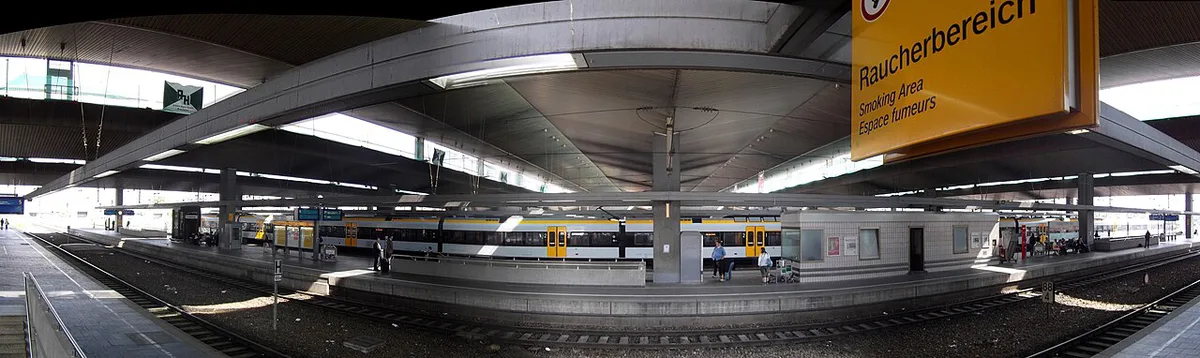
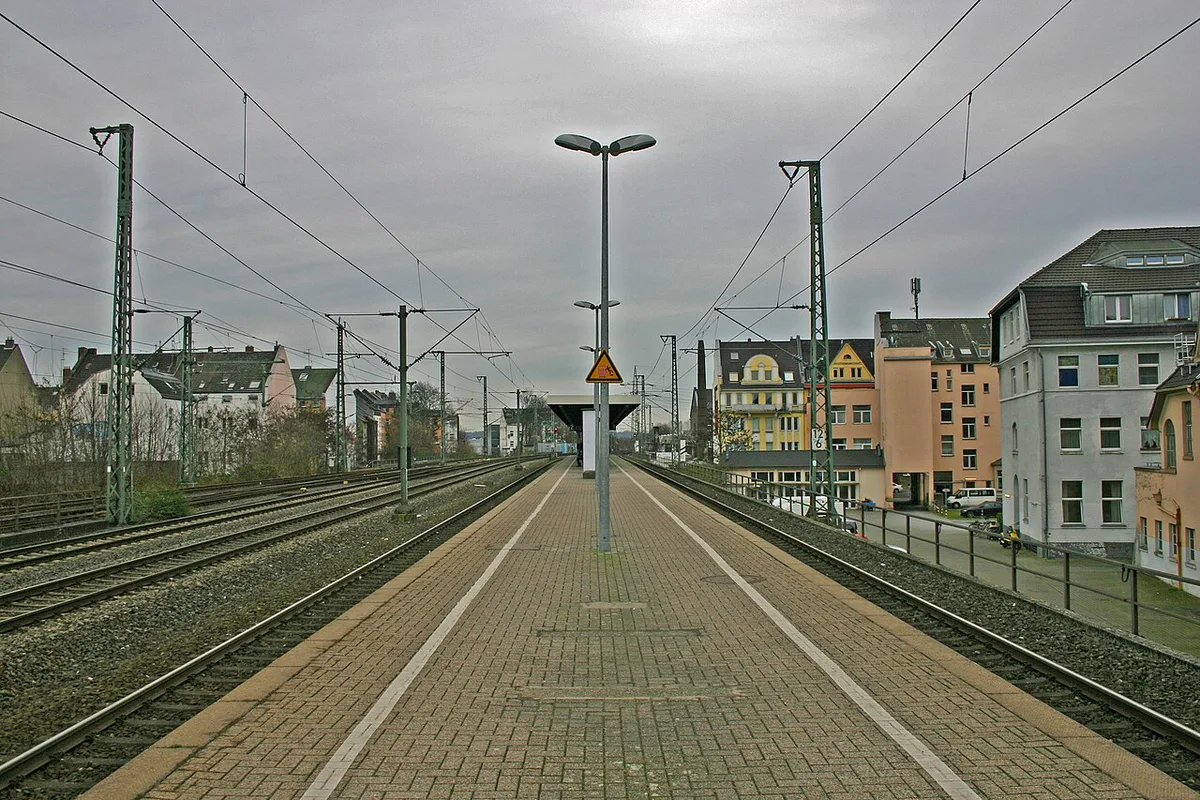
Physical safety on Dusseldorf's transport network is generally strong, but the risk that does exist concentrates in a handful of predictable spots. The Hauptbahnhof is the city's biggest pickpocket and grit concentration point simply because it is the busiest transfer hub, with regional trains, U-Bahn lines, trams, and buses all converging in one building. Altstadt-area stations see similar crowding on weekend nights when bar traffic peaks. For a fuller picture of which parts of the city warrant extra caution beyond the transit network itself, see the guide to which Dusseldorf areas to avoid. Crowd density spikes hard during major events - trade fairs (Messe) at the exhibition grounds, Christmas markets around the Altstadt and Konigsallee, and football matches at Merkur Spiel-Arena all fill trains well beyond normal levels. Security presence typically increases around these events too, but the crowding itself creates more openings for pickpockets working platforms and carriage doors, so keep bags zipped and in front of you when a train is packed.
The Hauptbahnhof's pickpocket risk exceeds typical crowding levels because its multi-level layout disorients visitors and outer edges escape monitoring—factors that compound the standard risks of a busy transfer hub.
Navigating Dusseldorf Public Transport Safety After Dark
Dusseldorf public transport safety looks different after about 1:00 AM, when the regular U-Bahn and tram schedule winds down and the NachtExpress (NE) bus network takes over. On Friday and Saturday nights, NachtExpress routes run roughly from 1:00 AM to 4:00 AM, covering the gap left by the daytime rail network; on other weeknights, service is thinner and gaps between buses run longer, so checking a live departure time before heading out matters more than usual. While waiting, stand in the well-lit sections of the platform near information boards and other passengers rather than at a dark, empty end, and on a night bus, sit near the driver rather than in an empty rear section. For a deeper look at how nighttime risk compares across neighborhoods and transport options, see the nighttime safety guide. If a NachtExpress connection does not line up well, taxis and ride-share apps are a reasonable backup: there is a fixed flat rate of around €20 between the airport and the Messe (Trade Fair) grounds, while an airport-to-Altstadt or Konigsallee trip runs closer to €30.
Station-Specific Safety: Hauptbahnhof and Airport Connections
The Hauptbahnhof's multi-level layout - regional trains at platform level, U-Bahn and tram tunnels below, retail concourses connecting the two - makes it easy to lose your bearings, and the station's outer edges and side exits are quieter and less monitored late at night than the main concourse, so stick to main entrances and well-used passageways after dark. Dusseldorf Airport has two separate stations that are easy to confuse. 'Dusseldorf Flughafen Terminal' is the S11 S-Bahn station sitting in the basement of the terminal building itself, making it the most direct option straight into the Hauptbahnhof and city center. 'Dusseldorf Flughafen' (Fernbahnhof) is the separate regional station on the edge of the airport grounds used by long-distance trains, connected back to the terminal by the SkyTrain monorail. For most city-center trips, the S11 from the terminal basement is the simpler, faster choice; the Fernbahnhof only matters if you are catching a long-distance regional or ICE service.
Solo Traveler and Carriage Etiquette on the Rheinbahn
Following local carriage etiquette on the Rheinbahn reduces the kind of unwanted attention that can make any traveler, especially one riding alone, feel exposed. Trains and trams in Dusseldorf run quiet by local custom - loud phone calls or music without headphones draw stares fast - and standing out in a crowded carriage is generally something to avoid rather than court. One near-universal tourist stumble: doors on Rheinbahn trams and trains do not open automatically when the vehicle stops, so you need to press the green door button yourself, and hesitating at a doorway while a train waits can draw unwanted attention on a quiet platform. On escalators, the local rule is to stand on the right and leave the left side clear for people walking. Choosing a carriage with other passengers already in it, rather than an empty one, is a simple habit worth building, and it is covered in more depth in the site's dedicated solo female travel guide, including carriage choices for late-night rides specifically.
Night bus safety mirrors daytime carriage practice: both recommend prioritizing occupied areas over isolated spots. On NachtExpress buses running 1–4 AM Friday–Saturday, sitting near the driver fulfills this principle while offering additional staff oversight.
Emergency Procedures and Useful Safety Resources
If something does go wrong on the network, Dusseldorf's emergency numbers are the same as the rest of Germany. Most U-Bahn and S-Bahn platforms also have emergency call points (SOS pillars) that connect directly to station staff or dispatch - use these rather than waiting to find a person if you need help while on a platform. Loading the Rheinbahn or VRR app before you need it is worth doing early in any trip: real-time departure tracking means less time spent standing on an empty platform waiting and uncertain, which is itself one of the simpler ways to reduce risk on a night journey.
- 110 - Police
- 112 - Medical emergencies and fire services
How to Recognize Ticket Validators Before You Board
The easiest fare mistake in Düsseldorf is buying a paper ticket and then walking past the validator without noticing it. On Rheinbahn and VRR journeys, look for the small orange, red, or yellow validation boxes marked for stamping before you ride. At U-Bahn and S-Bahn stations, including busy stops such as Düsseldorf Hbf and Heinrich-Heine-Allee, these machines are usually near the platform entrance, on the platform, or beside the stairs and escalators leading down to the tracks.
On trams and buses, the validator is normally just inside the door, so stamp the ticket as soon as you board rather than waiting until an inspector appears. Insert the ticket in the slot and check that it prints a date, time, or station stamp. If the machine does not mark the ticket, move to another validator or use the Rheinbahn or VRR app instead, where tickets bought in-app are activated digitally.
Frequently Asked Questions
Is it safe to ride the Dusseldorf U-Bahn at night?
Yes, in general - the U-Bahn and tram network run well into the evening with good lighting and steady passenger traffic, and after around 1:00 AM the NachtExpress bus network takes over on Friday and Saturday nights specifically. Standing in well-lit platform areas near other passengers and sitting near the driver on night buses are the main precautions worth taking.
What happens if you forget to validate your ticket in Dusseldorf?
An unvalidated paper ticket is treated as fare evasion (Schwarzfahren) under VRR rules and carries an on-the-spot €60 fine if a plain-clothes inspector checks it. Tickets bought directly inside the Rheinbahn or VRR app are validated automatically at purchase, which removes the risk entirely.
What is the safest way to get from Dusseldorf Airport into the city center?
The S11 S-Bahn from the 'Dusseldorf Flughafen Terminal' station, located in the basement of the terminal building, runs directly to the Hauptbahnhof and is the most straightforward option. If a NachtExpress or S-Bahn connection does not line up late at night, a taxi is a reasonable backup, with a fixed flat rate of around €20 between the airport and the Messe grounds.
Which Dusseldorf transit stations need the most caution?
The Hauptbahnhof is the main pickpocket and grit concentration point on the network because of its heavy transfer traffic, and Altstadt-area stations get similarly crowded on weekend nights. Both warrant the usual precautions - bags zipped and held in front of you, extra attention at crowded platform doors - more than the network's quieter suburban stops.
Do Dusseldorf ticket inspectors wear uniforms?
Not always - plain-clothes inspectors work the Rheinbahn network regularly and identify themselves by asking 'Fahrschein, bitte' before checking your ticket or app QR code. They do not accept excuses about broken machines or confusion, so having a stamped ticket or valid app ticket ready is the real defense against the €60 fine.


