Dusseldorf Areas to Avoid: A 2026 Neighborhood Safety Guide
Last updated February 2026, this guide breaks down the Dusseldorf areas to avoid, the pockets that deserve a little extra vigilance, and the neighborhoods that make the easiest base for a stay. Dusseldorf is, on the whole, an orderly and well-policed city, so the honest answer leans more toward situational awareness than any genuine no-go zone. The sections below separate daytime nuisance spots from the one patch of the city where caution matters after dark, plus the practical numbers you need for transport, scams, and emergencies.
Is Dusseldorf Safe in 2026? The Quick Answer
According to Numbeo's crime data, Dusseldorf carries a crime index of roughly 32.7 and a safety index of roughly 67.3 as of 2026, figures that place it comfortably on the safer side of Germany's larger cities. In our editorial assessment, that translates to a city where violent crime is rare and most traveler complaints revolve around petty theft, aggressive panhandling near transit hubs, or rowdy nightlife crowds rather than genuine danger. Dusseldorf generally reads as calmer and less chaotic than Berlin or Frankfurt's busiest nightlife and station districts, though exact rankings shift year to year and shouldn't be treated as a scorecard. The practical takeaway for trip planning sits on the pillar guide to whether Dusseldorf is safe, which this article expands on neighborhood by neighborhood.
Most areas safe by daylight become edgier after dark or during weekend nightlife crowds. Worringer Platz and the Altstadt exemplify this shift: walkable by day, worth avoiding or navigating cautiously late at night. This timing-dependent risk means the city's safety profile varies significantly by when you visit.
Dusseldorf Areas to Avoid or Approach With Caution
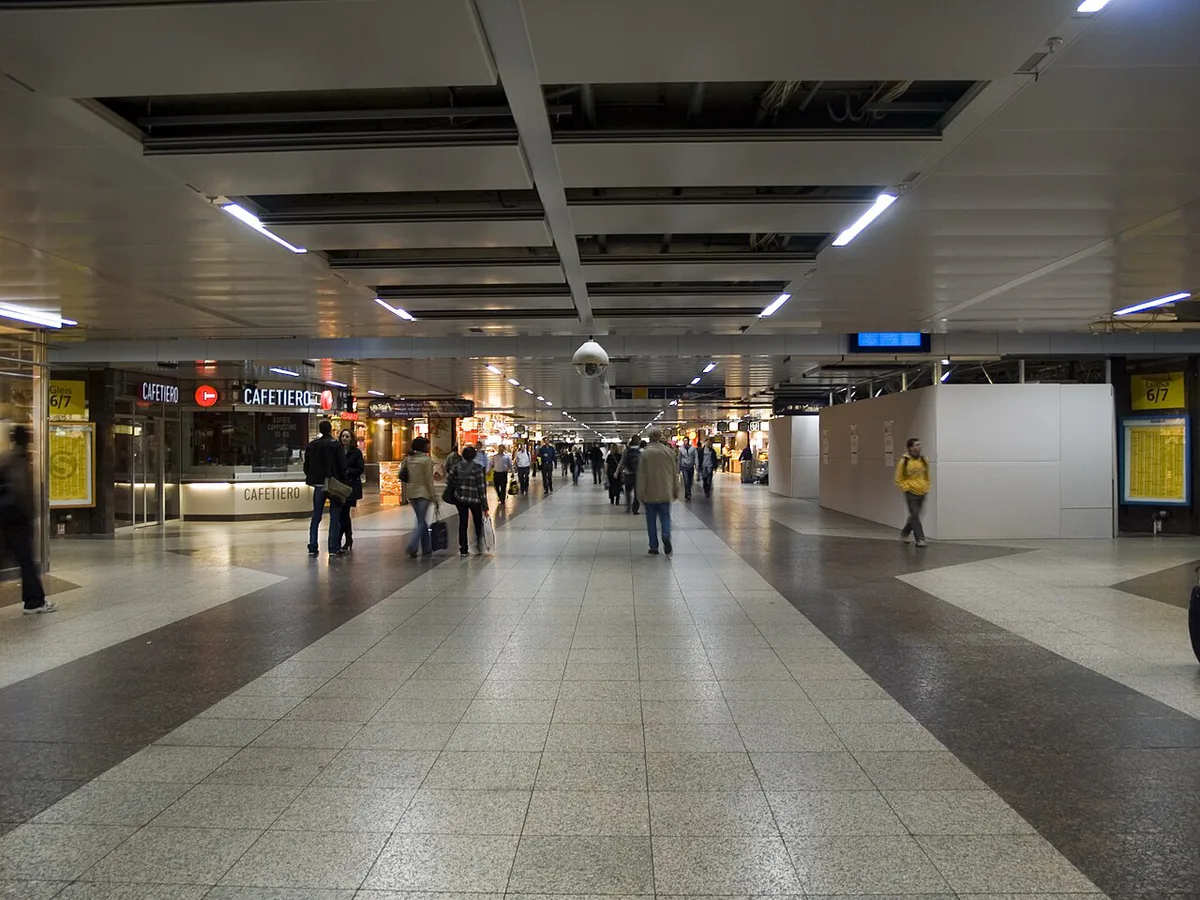
Most of what locals flag isn't a crime-ridden district so much as an uncomfortable vibe, and the distinction matters for how you plan around it. The one spot worth genuinely routing around after dark is Worringer Platz and the streets running between the Hauptbahnhof and Oberbilk, which host an open drug scene. By day it's simply a gritty stretch you can walk through without issue on your way to the station; late at night it's the closest thing Dusseldorf has to an edgy patch, and it's worth avoiding then rather than lingering. Beyond that pocket, a handful of districts show up repeatedly in local discussion for a rougher reputation rather than active danger.
| Area | Distance from Center | Daytime Feel | Caution Level |
|---|---|---|---|
| Hauptbahnhof / Worringer Platz | Central | Busy, transit-focused | Moderate at night, low by day |
| Oberbilk | Short tram ride | Industrial, everyday local life | Low, but stay on main streets after dark |
| Garath | Far south, S-Bahn needed | Quiet residential | Low interest for visitors, not a tourist area |
| Flingern-Süd | Short walk/tram from center | Industrial, mixed-use | Low-moderate, more caution than Flingern-Nord |
- Hauptbahnhof (Central Station) and Worringer Platz: convenient for transit but prone to aggressive panhandling and pickpocketing around the rear exits; the open drug scene concentrated near Worringer Platz and the Oberbilk-facing streets is the city's genuinely edgy patch, fine to pass through by day but worth avoiding late at night.
- Oberbilk: a heavily industrialized, slowly gentrifying district with a rougher local reputation and low risk of violent crime; solo travelers may feel uneasy on quieter side streets late at night, so stick to well-lit main routes like Kölner Straße.
- Garath: a large residential district in the far south with a reputation for social tension and a higher crime rate than the city average; it isn't a tourist area and there's little reason to base a stay there.
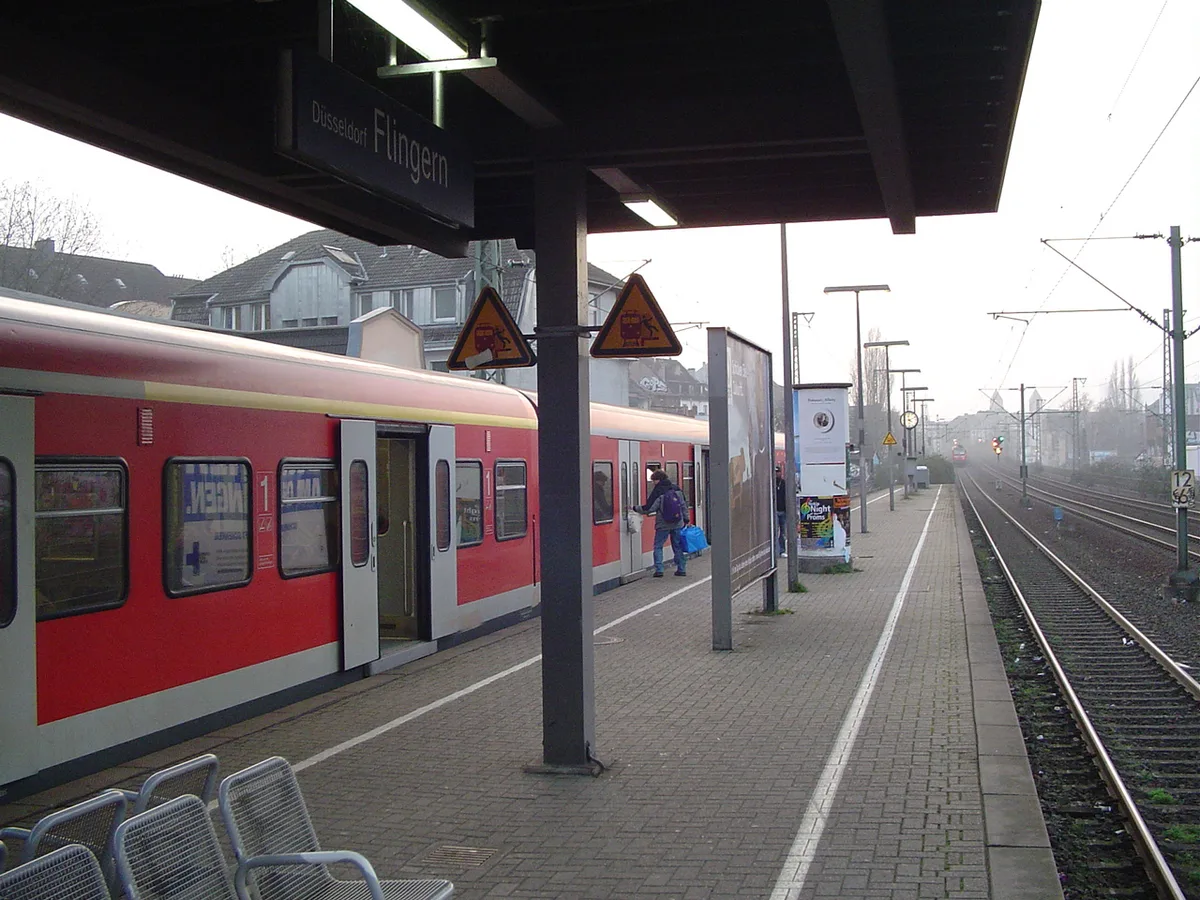
- Flingern-Süd vs Flingern-Nord: Flingern-Nord is the trendy, artsy half full of galleries and cafes, while Flingern-Süd carries a more industrial, rougher edge — worth knowing before you book an Airbnb in the district.
The Altstadt at Night: Nightlife Safety for Solo Travelers and Women
The Altstadt's nickname, the Longest Bar in the World, sums up both its appeal and its risk profile. It's the heart of tourism and nightlife, but it's also where most alcohol-related incidents, rowdiness, and pickpocketing cluster on weekend nights, with petty theft and verbal altercations picking up noticeably after midnight. That doesn't make it a dangerous district in daylight or early evening; it simply means treating it like any dense nightlife strip, sticking to busier, well-lit streets, and keeping a closer eye on drinks and belongings once the crowds thicken. For a deeper look at after-dark habits across the whole city, see the dedicated guide to Dusseldorf safety at night, and for guidance specific to traveling alone, check the solo female travel safety notes for Dusseldorf, which cover registered taxis, staying in visible groups, and reading nightlife crowds.
Common Tourist Scams and Petty Crime to Watch For
Serious crime against tourists is uncommon in Dusseldorf, but petty theft and low-grade scams are worth knowing about before you're distracted by them. Pickpocketing tends to cluster in the most crowded tourist corridors, particularly along Königsallee's shopping strip and inside the packed Altstadt bars on weekend nights, where a bump-and-lift in a crowd is far easier to pull off than anywhere quieter. A second pattern to watch for is the petition or rose scam, where someone approaches with a clipboard or flowers to distract you while an accomplice works your bag or pockets; the safest response is simply not to engage. A full rundown of these tactics, plus how to spot fake charity collectors and overly persistent unofficial tour touts, lives in the guide to Dusseldorf Tourist Scams: Common Red Flags & How to Avoid Them.
Is Public Transport Safe? Rheinbahn, U-Bahn and S-Bahn Tips
Dusseldorf's public transport network, run by Rheinbahn, is generally well maintained, monitored, and safe to use, including on the U-Bahn after dark, though it's still sensible to avoid empty carriages late at night and to keep bags zipped and close during peak-hour crowding when pickpocketing risk rises. The S-Bahn is the practical way to reach peripheral districts like Garath, and it's worth remembering those trips are more about distance and lack of tourist interest than any real danger once you're aboard. For a full breakdown of night frequencies, station etiquette, and which lines see the most crowding, see the dedicated page on Dusseldorf Public Transport Safety: A Practical Guide to Fines & Security.
Where to Stay Instead: The Safest Dusseldorf Neighborhoods
If the goal is simply to avoid thinking about any of the above, basing a stay in one of Dusseldorf's calmer, more established districts solves most of the problem outright. These areas combine strong policing presence, well-lit streets, and easy access to the center without the nightlife density of the Altstadt or the industrial edges of Oberbilk and Flingern-Süd.
Staying in quieter neighborhoods like Oberkassel or Kaiserswerth avoids daily exposure to rowdy weekend nightlife and alcohol-related incidents. The trade-off: reaching attractions requires passing through transit zones and shopping corridors where pickpocketing concentrates, making bag security more critical than area avoidance.
- Oberkassel: upscale, quiet, and considered one of the safest and most prestigious neighborhoods in the city, with elegant streets, high-end shopping, and a tranquil cafe culture.
- Kaiserswerth: historic and suburban, popular with families thanks to its lower crime rate, regular police patrols, and picturesque old-town charm.
- Pempelfort/Golzheim: central and professional, well-lit, and an easy walk or tram ride from the Altstadt and Hauptbahnhof without sitting inside either district.
- Stadtmitte: a quiet, modern, residential-feeling pocket close to the city center, popular with families and travelers who want fewer crowds than the tourist core.
Practical Safety Logistics and Emergency Numbers
Keep the essentials on hand regardless of which neighborhood you're exploring: dial 110 for police and 112 for fire or medical emergencies anywhere in Germany. Because the Hauptbahnhof area is the single spot most likely to put you near opportunistic theft, especially while distracted with luggage, using a secure storage service such as the Qeepl app, which lists rates from around €4.39 per day with €1,000 of coverage, is a practical way to avoid standing around the station with bags in hand. For the broader picture of how Dusseldorf compares on safety overall, including how these neighborhood notes fit into the citywide picture, revisit the main guide on Is Dusseldorf Safe? A 2026 Neighborhood-by-Neighborhood Safety Guide.
Central Tourist Hotspots: Heinrich-Heine-Allee, Königsallee and the Rhine Promenade
The central sights are not areas to avoid, but they are where visitors are most likely to be distracted. Heinrich-Heine-Allee is the main gateway between the Altstadt, Königsallee and the U-Bahn, so watch bags on escalators, ticket machines and crowded platforms, especially on weekend evenings. Königsallee is safer and more polished, but its luxury shops and busy crossings make it a classic pickpocketing spot rather than a violent-crime concern.
The Rheinuferpromenade is usually comfortable for an evening walk, particularly around Burgplatz and the busy stretch below the Altstadt. Late at night, avoid drifting onto quieter riverside paths alone after the bars empty out; return toward Heinrich-Heine-Allee, Carlsplatz or a marked taxi rank instead. Around Bolkerstraße and Ratinger Straße, keep phones and wallets secured before entering dense bar crowds, not after someone bumps into you.
For trip-planning details, see US State Department Germany travel advisory.
Frequently Asked Questions
What is the most dangerous area in Dusseldorf?
There's no genuine no-go zone in Dusseldorf, but the streets around Worringer Platz and between the Hauptbahnhof and Oberbilk host an open drug scene and are the closest thing to an edgy patch in the city. They're fine to walk through by day but worth avoiding late at night.
Is Dusseldorf safe to walk at night?
Yes, in general, though it pays to be more alert in specific spots: the area around the Hauptbahnhof and Worringer Platz after dark, and the Altstadt after midnight when weekend crowds and alcohol drive up petty theft and rowdiness. Well-lit main streets in Oberbilk and Flingern-Süd are also a better bet than quiet side streets.
Is Oberbilk safe for tourists?
Oberbilk carries a rougher local reputation and an industrial feel, but the risk of violent crime is low. It's comfortable to visit during the day, and sticking to well-lit main routes like Kölner Straße is sensible if you're passing through at night.
Which Dusseldorf neighborhood is best for first-time visitors to stay in?
Oberkassel, Kaiserswerth, Pempelfort/Golzheim, and Stadtmitte all offer a quieter, well-policed base with easy access to the center, making them better first choices than staying directly inside the Altstadt or near the Hauptbahnhof.
Is the Dusseldorf U-Bahn safe at night?
Generally yes, since the Rheinbahn network is well maintained and monitored, but it's still smart to avoid sitting in an empty carriage late at night and to keep belongings close during crowded peak-hour trips.